- Product Description Description
- Table of Contents TOC
- List of Table & Figure LOT
- Get Free Sample PDF Sample PDF
Market Size, 2025
$31.18 BnMarket Estimate, 2026
$32.30 BnMarket Forecast, 2034
$42.87 BnCAGR, 2026–2034
3.6%U.S. Pain Management Market Summary
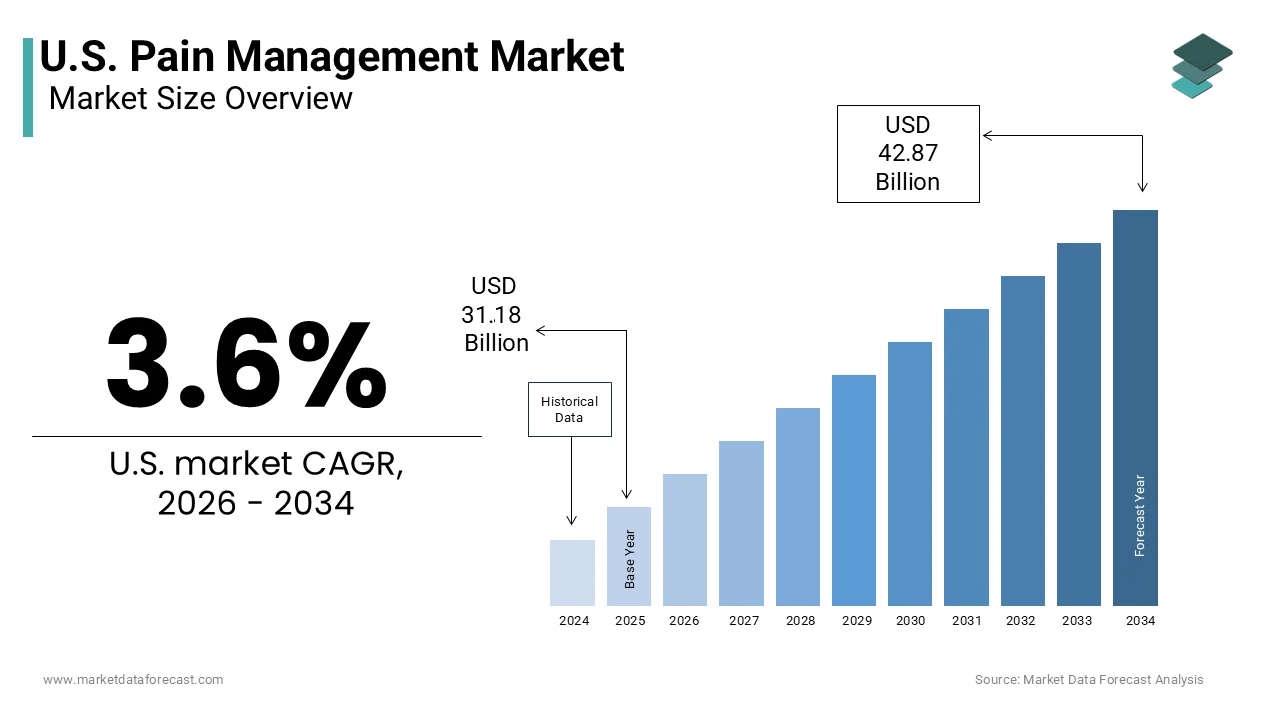
The U.S. pain management market, valued at USD 31.18 billion in 2025, is projected to reach USD 42.87 billion by 2034, expanding at a CAGR of 3.6% driven by population aging, rising musculoskeletal and neuropathic disorders, and a systemic shift toward non-opioid, multimodal pain therapies.
Market Snapshot
- 2025 Market Size: USD 31.18 billion
- 2026 Estimate: USD 32.31 billion
- 2034 Forecast: USD 42.87 billion
- CAGR (2026–2034): 3.6%
- Base Year: 2025
- Forecast Period: 2026–2034
Quick Growth Drivers
- Rapid aging of the U.S. population and rising prevalence of chronic pain conditions
- High incidence of osteoarthritis, spinal degeneration, and post-surgical pain
- Federal and institutional mandates discouraging opioid-first pain treatment
- Growing adoption of multimodal pain protocols in hospitals and ambulatory settings
- Increased surgical volumes requiring perioperative pain optimization
Principal Restraints
- Inconsistent insurance coverage for non-pharmacologic therapies
- Prior authorization barriers and reimbursement limits for physical and behavioral care
- Geographic shortages of board-certified pain specialists
- Long wait times for interventional pain procedures, especially in rural areas
High-Value Opportunities
- Wearable neuromodulation and closed-loop electrotherapy devices
- Employer-sponsored pain resilience and digital pain management programs
- Expansion of digital therapeutics reimbursable through HSAs and employer plans
- Mechanism-specific non-opioid drugs targeting neuropathic pain pathways
Key Market Challenges
- Absence of standardized pain phenotyping and diagnostic stratification
- Delayed treatment escalation due to misclassification of pain etiology
- Regulatory ambiguity surrounding compounded and off-label pain therapies
- Variability in quality and efficacy of compounded topical analgesics
Fastest-Growing Segments
- Neuromodulation & Wearable Electrotherapy Devices: ~15.8% CAGR — non-invasive, patient-controlled pain relief
- Neuropathic Pain Applications: ~13.2% CAGR — diabetes, oncology, and nerve injury-related pain
- Employer-Sponsored Pain Programs: emerging high-growth care delivery model
Regional Leadership & Dynamics
- California & Northeast — early adoption of non-opioid and digital pain solutions
- Texas & Florida — large aging population and high musculoskeletal pain burden
- Midwest & Rural Regions — underserved pain care markets with access gaps
- Urban Academic Centers — leaders in neuromodulation and interventional innovation
What Wins Commercially
- Evidence-backed non-opioid and multimodal treatment pathways
- Reimbursement-aligned solutions reducing opioid exposure and surgery rates
- Scalable digital and wearable pain management platforms
- Integration with employer health, VA systems, and bundled payment models
- Demonstrated functional improvement, not just pain score reduction
Top Strategic Ask for Executives
Invest in scalable non-opioid therapies, wearable neuromodulation technologies, and employer-aligned pain programs while advocating for reimbursement reform and standardized pain phenotyping to unlock access and outcomes-driven growth.
Leading Players
Some of the companies that are playing a dominating role in the U.S. pain management market include:
- Eli Lilly and Company
- Pfizer Inc.
- GlaxoSmithKline plc (GSK)
- Novartis International AG
- Merck & Co., Inc.
- Abbott Laboratories
- Johnson & Johnson
- Baxter International Inc.
- Teva Pharmaceutical Industries Ltd.
- AstraZeneca plc
 Download Free Sample Report
U.S. Pain Management Market Size
The U.S. pain management market was valued at USD 31.18 billion in 2025, is estimated to reach USD 32.31 billion in 2026, and is projected to reach USD 42.87 billion by 2034, growing at a CAGR of 3.6% from 2026 to 2034.
Pain management is a multidisciplinary branch of healthcare focused on diagnosing and alleviating acute or chronic discomfort. This market addresses a critical public health challenge as pain remains one of the most common reasons adults seek medical care. The market definition extends beyond traditional opioid analgesics to include non-steroidal anti-inflammatory drugs, antidepressants, anticonvulsants, ts and advanced neuromodulation devices. As per data from the Centers for Disease Control and Prevention, approximately 21% of US adults experienced chronic pain in 2021, with 7% reporting high-impact chronic pain that frequently limits life or work activities. This widespread prevalence establishes a substantial baseline demand for diverse therapeutic options. The landscape is heavily influenced by the ongoing opioid crisis w, which has shifted clinical preferences toward multimodal and non opioid treatment strategies. According to the National Institutes of Health, research funding for non addictive pain treatments has increased significantly, reflecting a national priority to reduce reliance on controlled substances. The integration of digital health technologies, such as remote monitoring and cognitive behavioral therapy apps, further expands the scope of pain management services. Regulatory bodies, including the Food and Drug Administration, enforce strict guidelines for approval and prescribing practices,ces ensuring patient safety amidst evolving treatment paradigms. The market is characterized by a multidisciplinary approach involving physicians, physical therapists, and mental health professionals. As per healthcare utilization trends, there is a growing emphasis on personalized medicine where treatment plans are tailored to individual genetic and physiological profiles. This holistic perspective aims to improve functional outcomes and quality of life rather than solely focusing on pain score reduction. The transition from reactive to proactive pain management defines the current trajectory of this vital healthcare segment.
MARKET DRIVERS
Rising Prevalence of Chronic Conditions and Aging Demographics
The escalating prevalence of chronic conditions, coupled with a rapidly aging population, is the main reason for the growth of the United States pain management market. Chronic pain is frequently associated with comorbidities such as arthritis, diabetes, and cancer, which become more common with age. As per Census Bureau projections, the number of Americans aged 65 and older is expected to reach 95 million by 2060, representing a significant demographic shift. This aging cohort experiences higher rates of degenerative joint diseases and neuropathic conditions, necessitating long-term pain management solutions. Osteoarthritis alone affects over 32 million adults in the United States, serving as a leading cause of disability and persistent pain. The cumulative effect of these health issues creates a sustained demand for both pharmacological and interventional therapies. Older adults often require complex medication regimens to manage multiple symptoms,s driving volume in the pharmaceutical sector. Furthermore, the increasing lifespan means individuals live longer with chronic conditions requiring continuous care and monitoring. The burden of pain in this demographic also drives demand for home-based care and remote monitoring technologies. Healthcare systems are adapting to this trend by expanding geriatric pain clinics and specialized rehabilitation services. The economic impact of untreated pain in the elderly, including increased hospitalizations and reduced mobility,y further incentivizes investment in effective management strategies. This demographic inevitability ensures that the market will continue to expand as the population ages. The focus on maintaining quality of life and independence for seniors reinforces the necessity of a robust pain management infrastructure.
Shift Toward Multimodal and Non Opioid Therapies
A strategic shift toward multimodal and non-opioid therapies is among the key factors boosting the expansion of the United States pain management market. These changes are guided by clinical regulations and guidelines aimed at mitigating the opioid crisis. Healthcare providers are increasingly adopting combination therapies that utilize non-steroidal anti-inflammatory drugs, antidepressants,s and anticonvulsants to achieve analgesia without the risks associated with opioids. As per guidelines from the Centers for Disease Control and Prevention, clinicians are encouraged to prioritize non-pharmacologic and non opioid pharmacologic treatments for chronic pain. This paradigm shift has stimulated innovation and adoption of alternative drug classes and interventional procedures such as nerve blocks and radiofrequency ablation. The demand for non addictive solutions is further amplified by patient awareness and preference for safer treatment options. Insurance payers are also influencing this trend by implementing prior authorization requirements for opioids while covering alternative therapies more readily. The development of novel non opioid molecules targeting specific pain pathways, such as sodium channels and cytokines,s offers new avenues for treatment. As per pharmaceutical pipeline data, numerous non opioid candidates are in late-stage clinical trials, indicating a strong industry commitment to this segment. The integration of physical therapy and psychological support into standard care protocols enhances the efficacy of multimodal approaches. This holistic strategy reduces the likelihood of dependence and improves long-term functional outcomes. The regulatory and cultural momentum behind non opioid pain management ensures sustained growth for these alternative therapies. Providers who adopt these comprehensive models are better positioned to meet evolving standards of care.
MARKET RESTRAINTS
Stringent Regulatory Frameworks and Prescribing Restrictions
The stringent regulatory framework and prescribing restrictions surrounding controlled substances, particularly opioids, are limiting the growth of the United States pain management market. While necessary for public safety, these regulations create administrative burdens and legal risks for healthcare providers. The Drug Enforcement Administration (DEA) establishes Aggregate Production Quotas (APQ) for manufacturers to limit the total amount of controlled substances produced annually, rather than imposing individual prescribing quotas on doctors. However, Schedule II classification does enforce strict security, inventory, and monitoring requirements on both pharmacies and prescribers to prevent diversion. This regulatory environment has led to a phenomenon known as opioid phobia, where clinicians underprescribe pain medication even when medically indicated due to fear of scrutiny or litigation. The implementation of Prescription Drug Monitoring Programs in all states requires additional time and resources for compliance, potentially delaying patient care. Some states have enacted laws limiting the duration and dosage of initial opioid prescriptions, which can complicate the management of acute pain episodes. As per survey data, nearly 40% of physicians report hesitation in prescribing opioids for legitimate pain due to regulatory concerns. This caution can result in inadequate pain control for patients suffering from severe conditions such as cancer or post-surgical pain. The complexity of navigating varying state and federal regulations creates inconsistency in care delivery. Pharmaceutical companies face higher costs and longer timelines for developing and marketing opioid alternatives due to rigorous safety requirements. These regulatory hurdles act as a brake on the rapid deployment of certain effective therapies. The balance between preventing abuse and ensuring access remains a challenging dynamic that constrains market fluidity.
Reimbursement Limitations and Coverage Gaps
The inconsistent reimbursement landscape and coverage gaps for various pain management therapies, particularly non-pharmacologic interventions, further slow down the expansion of the United States pain management market. Many insurance plans provide limited or no coverage for essential services such as acupuncture, chiropractic care, and cognitive behavioral therapy,y which are recommended as first-line treatments for chronic pain. As per policy analysis, out-of-pocket costs for these services can be prohibitive for many patients, leading to discontinuation of treatment. The Medicare and Medicaid programs have historically had restrictive coverage policies for interventional pain procedures requiring extensive documentation and prior authorization. This administrative burden delays access to care and increases operational costs for healthcare providers. Private insurers often vary in their coverage criteria, creating confusion and inequity in access to pain management services. The lack of standardized reimbursement codes for emerging therapies such as virtual reality pain distraction techniques further hinders adoption. As per healthcare economic studies, the financial toxicity of chronic pain management contributes to poor adherence and worse health outcomes. Patients may forego necessary treatments due to cost, leading to increased disability and higher long-term healthcare utilization. Providers face challenges in sustaining multidisciplinary pain clinics when reimbursement rates do not reflect the complexity of care provided. The misalignment between clinical guidelines recommending multimodal care and payer policies favoring cheaper pharmacologic options creates a structural barrier. Financial constraints will limit market growth. This is because reimbursement models do not yet support comprehensive pain management.
MARKET OPPORTUNITIES
Advancements in Neuromodulation and Device-Based Therapies
The rapid advancements in neuromodulation and device-based therapies unlock potential for the United States pain management market. Technologies such as spinal cord stimulation, peripheral nerve stimulation,n and dorsal root ganglion stimulation offer effective alternatives for patients with refractory chronic pain. As per clinical data, newer high-frequency and burst stimulation patterns have demonstrated superior pain relief compared to traditional tonic stimulation, improving patient satisfaction. The miniaturization of implantable devices and the development of rechargeable systems enhance convenience and longevity, reducing the need for replacement surgeries. The expansion of indications for neuromodulation to include conditions such as failed back surgery syndrome and complex regional pain syndrome broadens the potential patient pool. As per industry forecast,s the adoption of closed-loop systems that adjust stimulation in real time based on neural feedback is gaining traction. These smart devices promise personalized therapy that adapts to changing pain levels, improving outcomes. The shift toward minimally invasive implantation techniques reduces recovery time and complications, making these therapies more accessible. Insurance coverage for neuromodulation is expanding as evidence of cost-effectiveness and long-term benefit accumulates. Manufacturers are investing heavily in research to develop wireless and leadless systems, which further reduce infection risks. The integration of remote programming capabilities allows clinicians to optimize settings without office visits,s enhancing efficiency. This technological evolution positions neuromodulation as a high-growth segment within the pain management market. The ability to offer durable relief without systemic side effects appeals to both patients and providers.
Integration of Digital Health and Remote Monitoring Solutions
The integration of digital health platforms and remote monitoring solutions into pain management protocols is a key area for growth in the United States market. Mobile applications, wearable sensors,s and telemedicine platforms enable continuous tracking of pain levels, activity,y and medication adherence. As per digital health trends, the use of cognitive behavioral therapy apps for chronic pain has shown promising results in reducing pain interference and improving coping skills. These digital tools empower patients to take an active role in their care, providing real-time data to clinicians for timely interventions. The ability to monitor patient progress remotely reduces the need for frequent in-person visits, lowering healthcare costs and improving access for rural populations. As per market analysis, the adoption of virtual reality therapies for acute and chronic pain is increasing, offering immersive distraction techniques that reduce pain perception. tion Healthcare systems are integrating these digital solutions into electronic health records to create a comprehensive view of patient status. The data generated from these platforms supports value-based care initiatives by demonstrating improvements in functional outcomes. Payers are beginning to recognize the value of digital therapeutics and are exploring reimbursement models for these innovations. The scalability of digital solutions allows for broad deployment across diverse patient populations. Partnerships between technology companies and healthcare providers are accelerating the development of evidence-based digital interventions. This digital transformation offers a pathway to more personalized and efficient pain management. The convergence of technology and healthcare creates new revenue streams and improves patient engagement.
MARKET CHALLENGES
Complexity of Pain Diagnosis and Subjective Nature
The inherent complexity of pain diagnosis and its subjective nature complicate treatment planning and evaluation, which holds back the growth of the United States pain management market. Pain is a multifaceted experience influenced by biological, psychological,l and social factors, rs making it difficult to quantify objectively. As per medical literature, there are no definitive biomarkers for most chronic pain conditions, relying instead on patient self-reporting and clinical assessment. This subjectivity leads to variability in diagnosis and treatment recommendations among different providers. The lack of standardized diagnostic criteria for conditions such as fibromyalgia and chronic widespread pain results in delayed or incorrect diagnoses. Patients often undergo numerous tests and consultations before receiving an accurate diagnosis, leading to frustration and increased healthcare costs. The subjective nature of pain also makes it challenging to measure treatment efficacy reliably. What constitutes meaningful pain relief varies significantly between individuals, complicating clinical trial design and regulatory approval processes. As per clinical trials, a high placebo response rate in pain studies often obscures the true effect of new treatments. This uncertainty discourages investment in novel drug development. The stigma associated with invisible illnesses like chronic pain can lead to skepticism from employers and insurers,s affecting patient support. Providers must navigate these complexities with limited objective tools requiring significant time and expertise. The inability to precisely target the underlying mechanism of pain in many cases limits the effectiveness of current treatments. This diagnostic ambiguity remains a fundamental hurdle in advancing pain management.
Provider Shortages and Access Disparities
The shortage of specialized providers and the resulting disparities in access to care slow down the expansion of the United States pain management market. There is a critical deficit of board-certified pain specialists, particularly in rural and underserved urban areas. As per workforce data, the ratio of pain specialists to population is insufficient to meet the growing demand for complex pain care. Primary care physicians who manage the majority of pain patients often lack specialized training and time to address complex chronic pain issues adequately. This gap leads to fragmented care and reliance on pharmacologic solutions that may not be optimal. Geographic barriers prevent many patients from accessing multidisciplinary pain clinics, which are considered the gold standard for chronic pain management. As per health equity studies, minority and low-income populations face disproportionate barriers to accessing specialty pain care, including transportation issues and lack of access. Insurance. The concentration of specialists in academic medical centers leaves large regions without adequate resources. Wait times for appointments with pain specialists can extend to several months, delaying critical interventions. The burnout rate among pain providers is high due to the emotional toll of managing chronic suffering and regulatory pressures. This workforce crisis limits the capacity of the healthcare system to deliver comprehensive pain management. Telemedicine offers some relief but cannot fully replace hands-on interventional procedures. Addressing these access disparities requires systemic changes in education reimbursement and workforce distribution. Until these gaps are closed, millions of Americans will remain without adequate pain relief.
REPORT COVERAGE
| REPORT METRIC | DETAILS |
| Market Size Available | 2025 to 2034 |
| Base Year | 2025 |
| Forecast Period | 2026 to 2034 |
| Segments Covered | By Mode of Pain Management, Application, and Region. |
| Various Analyses Covered | Global, Regional, and Country-Level Analysis, Segment-Level Analysis, Drivers, Restraints, Opportunities, Challenges; PESTLE Analysis; Porter’s Five Forces Analysis, Competitive Landscape, Analyst Overview of Investment Opportunities |
| Countries Covered | New York, Massachusetts, Pennsylvania, Illinois, Ohio, Michigan, Texas, Florida, Georgia, California, Washington, Colorado. |
| Market Leaders Profiled | Eli Lilly and Company, Pfizer Inc., GlaxoSmithKline plc (GSK), Novartis International AG, Merck & Co., Inc., Abbott Laboratories, Johnson & Johnson, Baxter International Inc., Teva Pharmaceutical Industries Ltd., AstraZeneca plc |
SEGMENTAL ANALYSIS
By Mode of Pain Management Insights
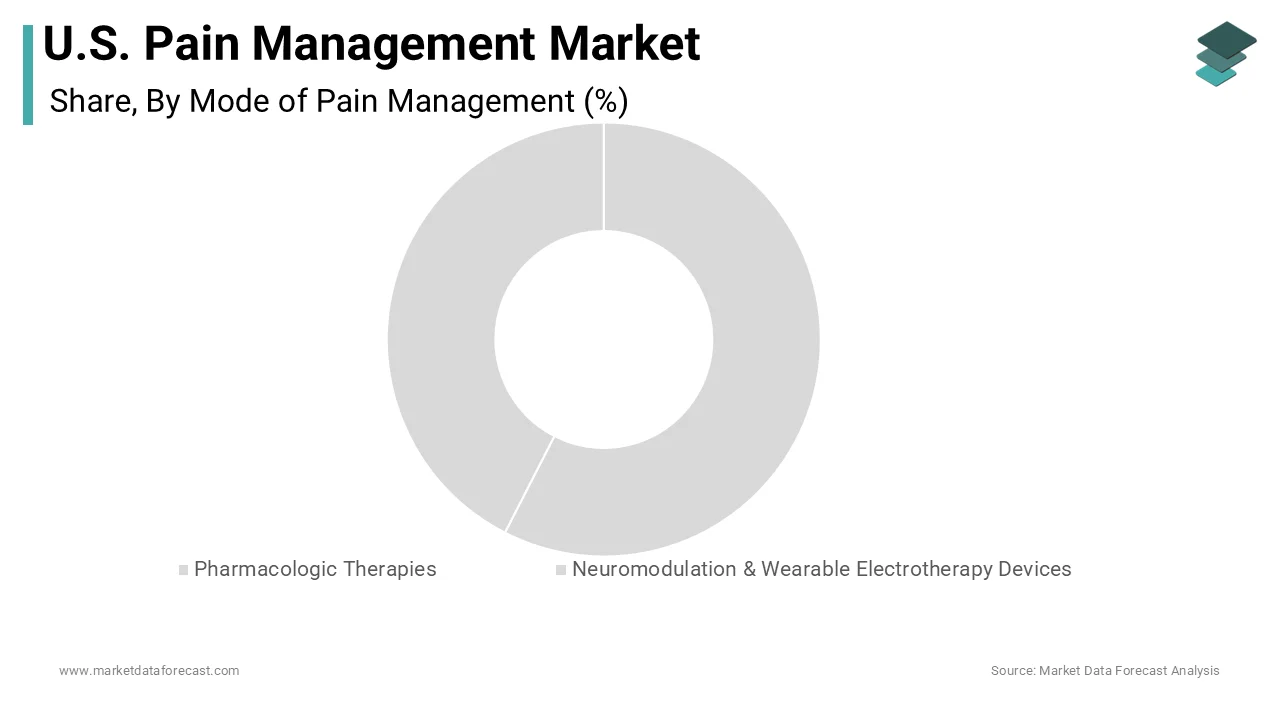
The pharmacologic therapies segment dominated the United States pain management market and accounted for a substantial share in 2025. This dominance of the segment was driven by its status as the first line of defense in clinical protocols for both acute and chronic pain. Physicians routinely prescribe non-steroidal anti-inflammatory drugs, opioids,s and adjuvant medications because they offer immediate relief and are easily accessible through established pharmacy networks. According to the most recent CDC data (2023), the prevalence of chronic pain has risen to 24.3% of U.S. adults (approximately 51.6 million people), with pharmacological interventions remaining a common initial treatment modality. The familiarity of healthcare providers with these drug classes ensures widespread adoption across primary care and specialty settings. The availability of generic versions of many analgesics makes them cost-effective for patients and insurers, further reinforcing their dominance. The integration of these medications into standard electronic health record systems simplifies prescribing and monitoring processes. Additionally,y the ability to tailor dosages and combine different drug classes allows for personalized treatment plans that address varying pain intensities. The regulatory framework, although strict, supports the continued availability of essential pain relief, rs ensuring consistent supply. This entrenched position in medical practice creates a high barrier to entry for alternative therapies that require specialized training or equipment. The immediate efficacy of pharmacologic agents in managing acute post-surgical pain also sustains their high volume usage. Consequently, the convenience and proven track record of drugs maintain their leadership in the market.
Also keeping this segment in the lead is the broad insurance coverage and favorable reimbursement structures associated with prescription medications. Most public and private insurance plans in the United States include comprehensive formularies for pain medication,s ensuring that patients have financial access to these treatments. As per healthcare policy analysis, out-of-pocket costs for generic analgesics are significantly lower than those for interventional procedures or device-based therapies, making them the preferred option for cost-conscious consumers. Medicare Part D and Medicaid programs provide extensive coverage for prescription drugs, reducing the financial burden on elderly and low-income populations who suffer disproportionately from chronic pain. The standardized coding and billing processes for pharmaceutical prescriptions streamline administrative workflows for healthcare providers, encouraging their continued use. In contrast,t theon-pharmacologic therapies often face prior authorization hurdles and limited coverage caps, which restrict patient access. The economic incentive for insurers to cover low-cost generics over expensive devices or therapies further solidifies the market position of drugs. Pharmaceutical companies also invest heavily in patient assistance programs and copay cards to enhance affordability. This financial accessibility ensures that pharmacologic therapies remain the most utilized mode of pain management. The alignment of payer policies with clinical guidelines for step therapy approaches reinforces the primacy of drugs in the treatment hierarchy.
But the neuromodulation and wearable electrotherapy devices segment is expected to exhibit a noteworthy CAGR of 14.2% from 2026 to 2034 due to technological advancements that have made these devices more effective smaller and easier to implant or use. Innovations such as high-frequency spinal cord stimulation and dorsal root ganglion stimulation offer superior pain relief with fewer side effects compared to traditional methods. As per clinical studies, these advanced technologies have demonstrated significant improvements in patient outcomes,s leading to increased adoption by pain specialists. The development of rechargeable and wireless systems reduces the need for frequent surgical replacements, enhancing patient convenience and satisfaction. Wearable transcutaneous electrical nerve stimulation devices have also gained popularity due to their non-invasive nature and ease of home use. These devices allow patients to manage pain independently, reducing reliance on medications. The miniaturization of components has enabled the creation of discreet and comfortable wearables that integrate seamlessly into daily life. The ability to customize stimulation parameters via smartphone apps empowers patients to tailor therapy to their specific needs. This user-centric design drives consumer demand and adherence. The shift toward minimally invasive options aligns with broader healthcare trends favoring procedures with shorter recovery times. These technological breakthroughs ensure that neuromodulation continues to grow at the fastest rate.
This fast-growing segment is pushed forward by the expanding range of approved indications and increasingly favorable reimbursement policies. Regulatory agencies have expanded approvals for spinal cord stimulation to include conditions such as failed back surgery syndrome, complex regional pain syndrome,e and diabetic peripheral neuropathy. As per research, the number of patients eligible for neuromodulation therapy has increased significantly due to these broader indications. Insurance providers, including Medicare, have updated coverage policies to recognize the long-term cost-effectiveness of neuromodulation compared to ongoing pharmacologic treatment. This shift in payer perspective reduces financial barriers for patients seeking device-based solutions. Clinical evidence demonstrating reduced opioid consumption and improved functional status supports these reimbursement decisions. The establishment of dedicated pain clinics specializing in neuromodulation further facilitates patient access and education. Manufacturers are actively engaging with payers to demonstrate the value proposition of their devices through real-world evidence studies. The integration of neuromodulation into multidisciplinary pain management programs enhances its visibility and acceptance among referring physicians. The growing awareness of these alternatives among patients, driven by digital marketing and support groups,s also fuels demand. The combination of clinical validation and financial accessibility creates a robust environment for growth. This supportive ecosystem ensures that neuromodulation remains the fastest-growing segment in the market.
By Application Insights
The musculoskeletal pain segment led the United States pain management market and captured a 35.6% share in 2025. This leading position of the segment was attributed to the exceptionally high prevalence of conditions such as osteoarthritis, lower back pain,n and joint disorders. These conditions affect a large portion of the population, particularly among older adults and individuals with physically demanding occupations. As per data from the Arthritis Foundation,n more than 58 million adults in the United States have doctor-diagnosed arthritis, which is a leading cause of work disability and pain.n The aging population exacerbates this burden as degenerative changes in bones and joints become more common with age. Lower back pain alone affects approximately 80% of adults at some point in their lives,s creating a sustained demand for pain management solutions. The chronic nature of these conditions requires long-term treatment strategies, including medications, physical therapy, and interventional procedures. The economic impact of musculoskeletal pain, including lost productivity and healthcare costs,s further drives investment in effective treatments. Employers and insurers are increasingly prioritizing interventions that restore function and reduce absenteeism. The widespread availability of over-the-counter analgesics and prescription medications for musculoskeletal issues ensures high utilization rates. The integration of ergonomic assessments and workplace modifications also highlights the societal focus on managing this type of pain. The sheer volume of affected individuals establishes musculoskeletal pain as the dominant application segment. This demographic reality ensures continued market leadership.
A further key factor driving the domination of the musculoskeletal pain segment is the widespread adoption of multimodal treatment approaches that combine pharmacologic and non-pharmacologic therapies. Clinical guidelines strongly recommend a combination of medications, exercise, and physical therapy for managing conditions like osteoarthritis and chronic back pain. As per recommendations from the American College of Physicians, non-pharmacologic therapies such as spinal manipulation and acupuncture are endorsed as first-line treatments for low back pain. This holistic approach increases the utilization of various pain management services and products within this segment. The availability of specialized orthopedic pain clinics facilitates coordinated care involving rheumatologists, physiatrists, and pain specialists. The development of targeted injections such as corticosteroids and hyaluronic acid provides localized relief for joint pain, enhancing treatment options. Patient education programs emphasize the importance of active participation in management through lifestyle modifications and exercise. This comprehensive strategy improves outcomes and patient satisfaction,n leading to higher adherence to treatment plans. The integration of digital health tools for tracking activity and pain levels further supports multimodal care. The flexibility of combining different modalities allows for personalized treatment plans that address the complex nature of musculoskeletal pain. This adaptive approach sustains the high demand for diverse pain management solutions in this segment.
However, the neuropathic pain segment is predicted to witness the highest CAGR of 11.5% over the forecast period, od owing to the rising incidence of diabetes and the increasing number of cancer survivors experiencing chemotherapy-induced peripheral neuropathy. As per statistics from the Centers for Disease Control and Prevention, over 37 million Americans have diabetes, and approximately half of them develop some form of neuropathy. The aging population and increasing prevalence of obesity contribute to this growing burden. Cancer treatments, while life-saving, often result in long-term nerve damage requiring specialized pain management. The complexity of neuropathic pain, which involves burning, shooting, ng or tingling sensations, requires distinct therapeutic approaches compared to nociceptive pain. This specificity drives the development and adoption of targeted medications such as gabapentinoids and antidepressants. The recognition of neuropathic pain as a distinct clinical entity has led to improved diagnosis and treatment protocols. The emotional and psychological impact of chronic nerve pain also necessitates comprehensive care, including mental health support. The increasing awareness among healthcare providers about the unique challenges of neuropathic pain enhances referral rates to specialists. This growing patient pool ensures rapid market expansion. The focus on improving the quality of life for these patients drives innovation in treatment options.
Further strengthening this growth is the advancement in targeted pharmacologic and device therapies specifically designed for nerve pain. Traditional analgesics are often ineffective for neuropathic conditions, prompting the development of novel mechanisms of action. As per pharmaceutical pipeline data, new drugs targeting sodium channels and nerve growth factors are showing promise in clinical trials, offering hope for better pain treatment. The approval of newer formulations with improved side effect profiles enhances patient adherence and outcomes. Neuromodulation devices such as spinal cord stimulators are increasingly used for refractory neuropathic pain, providing an alternative when medications fail. The customization of stimulation patterns to mimic natural nerve signals improves efficacy and patient comfort. The integration of genetic testing to predict response to specific medications allows for personalized treatment strategies, reducing trial and error. Healthcare providers are increasingly educated on the latest guidelines for neuropathic pain management,t leading to earlier and more appropriate interventions. The establishment of specialized neuropathy clinics facilitates focused care and research. The convergence of pharmacological and technological innovations creates a dynamic environment for growth. This continuous improvement in therapeutic options ensures that neuropathic pain remains the fastest-growing segment. The commitment to addressing this challenging condition drives sustained investment and development.
COUNTRY LEVEL ANALYSIS
United States Pain Management Market Analysis
The United States was the top performer in the North American pain management market and captured an 85.6% share in 2025. This position of the US market was supported by its advanced healthcare infrastructure and high prevalence of chronic pain conditions. The country serves as the global leader in pain research and innovation, driven by substantial investment from pharmaceutical companies and medical device manufacturers. Healthcare expenditure data confirms the United States spends significantly more on pain management than any other nation, a disparity driven primarily by higher healthcare service prices and pharmaceutical costs, alongside the high prevalence of chronic pain and widespread access to advanced medical technologies. The market status is characterized by a robust regulatory framework enforced by the Food and Drug Administration, which ensures safety and efficacy while fostering innovation. The presence of world-class medical centers and specialized pain clinics provides patients with access to cutting-edge therapies. The aging population and high rates of obesity and diabetes contribute to the sustained demand for pain management solutions. As per demographic trends, the growing elderly population ensures that the market will continue to expand in the coming years. The United States leads in the adoption of multimodal and interdisciplinary pain management models,s which improve patient outcomes. The strong emphasis on patient-centered care and quality of life drives the development of personalized treatment plans. The integration of digital health technologies and telemedicine expands access to care, particularly in rural areas. The leadership of the United States in setting clinical guidelines and standards influences global practices. The continuous focus on reducing opioid dependence while improving access to non addictive therapies shapes the market trajectory. This strategic focus ensures that the United States remains the central hub for pain management innovation and delivery in North America.
COMPETITIVE LANDSCAPE
The competition in the United States pain management market is intense and characterized by the presence of large multinational medical device companies and pharmaceutical firms vying for dominance. Key players compete based on technological innovation, clinical efficacy,y and safety profiles of their products. The shift toward non opioid therapies has intensified rivalry among manufacturers of neuromodulation devices and non-steroidal anti-inflammatory drugs. Companies invest heavily in research and development to create differentiated solutions that offer superior pain relief with fewer side effects. Strategic mergers and acquisitions are common as firms seek to consolidate market position and acquire complementary technologies. Reimbursement policies play a crucial role in competitive dynamics, with companies actively engaging payers to secure coverage for new therapies. Brand loyalty and physician relationships significantly influence purchasing decisions in both hospital and outpatient settings. The entry of smaller niche players specializing in digital therapeutics and wearable devices adds complexity to the competitive landscape. Price competition is evident in the generic pharmaceutical segment,t while premium pricing persists for innovative devices. Regulatory hurdles and patent expirations shape market entry and exit strategies. Overall, the market rewards those who can demonstrate clear clinical value and cost-effectiveness. Collaboration with healthcare systems to improve patient outcomes is increasingly vital for sustained success.
KEY MARKET PLAYERS
Some of the companies that are playing a dominating role in the U.S. pain management market include
- Eli Lilly and Company
- Pfizer Inc.
- GlaxoSmithKline plc (GSK)
- Novartis International AG
- Merck & Co., Inc.
- Abbott Laboratories
- Johnson & Johnson
- Baxter International Inc.
- Teva Pharmaceutical Industries Ltd.
- AstraZeneca plc
TOP LEADING PLAYERS IN THE MARKET
- Abbott Laboratories is a prominent leader in the United States pain management market, particularly within the neuromodulation sector. The company offers advanced spinal cord stimulation systems designed to treat chronic pain conditions such as failed back surgery syndrome and complex regional pain syndrome. Recent actions include the launch of next-generation implantable pulse generators that feature smaller profiles and longer battery life to enhance patient comfort and reduce replacement surgeries. Abbott focuses on integrating digital health tools that allow patients to control therapy settings via smartphone applications. The company actively engages in clinical research to expand indications for its devices and demonstrate long-term efficacy. By prioritizing minimally invasive technologies and personalized therapy options, Abbott strengthens its position as a key innovator. These efforts improve patient outcomes and support the shift away from opioid reliance. The commitment to technological advancement ensures sustained growth and relevance in the evolving pain management landscape.
- Boston Scientific Corporation contributes significantly to the US pain management market through its comprehensive portfolio of interventional pain and neuromodulation solutions. The company provides radiofrequency ablation systems and spinal cord stimulators that offer targeted relief for chronic pain patients. Recent strategies involve the acquisition of specialized pain technology firms to broaden its product offerings and enhance clinical capabilities. Boston Scientific invests heavily in developing closed-loop stimulation systems that adjust therapy in real time based on patient activity. The company collaborates with healthcare providers to establish best practices for implantation and postoperative care. Its focus on evidence-based medicine supports the adoption of its devices in major medical centers. By expanding access to minimally invasive procedures, Boston Scientific addresses the growing demand for non opioid pain treatments. The integration of advanced imaging guidance improves procedural accuracy and safety. These initiatives reinforce its reputation as a trusted partner in pain management. The continuous innovation pipeline ensures competitive advantage and market leadership.
- Medtronic plc plays a critical role in the United States pain management market by delivering innovative neuromodulation therapies for chronic pain. The company offers a wide range of spinal cord and peripheral nerve stimulation devices that help patients manage debilitating symptoms. Recent actions include the introduction of wireless charging technologies and miniaturized implants that simplify the patient experience and reduce surgical risks. Medtronic leverages its global scale to drive down costs and improve accessibility of advanced pain treatments. The company partners with academic institutions to conduct large-scale clinical trials that validate the effectiveness of its solutions. By focusing on patient-centric design, Medtronic enhances adherence and satisfaction rates. The integration of remote monitoring capabilities allows clinicians to optimize therapy without frequent office visits. This approach reduces healthcare burdens and improves the quality of life for patients. Medtronic continues to invest in research and development to address unmet needs in pain care. These strategic moves solidify its position as a leading provider of comprehensive pain management solutions.
TOP STRATEGIES USED BY KEY MARKET PARTICIPANTS
Key players in the United States pain management market primarily employ product innovation and strategic acquisitions to expand their portfolios and enhance clinical offerings. Companies focus on developing advanced neuromodulation devices with improved battery life and smaller form factors to increase patient comfort. Investment in digital health platforms enables remote monitoring and personalized therapy adjustment,s which improve outcomes. Partnerships with healthcare providers facilitate education and training on new technologies, ensuring proper usage. Manufacturers prioritize clinical evidence generation to support reimbursement approvals and guideline inclusion. Diversification into non opioid pharmacologic therapies addresses regulatory pressures and changing prescribing patterns. Cost reduction initiatives through manufacturing efficiency help maintain competitiveness in price-sensitive segments. Expansion into outpatient and ambulatory settings increases access to interventional pain procedures. Regulatory compliance and quality assurance remain central to maintaining trust and market access. These strategies collectively drive growth and strengthen market positions in the evolving landscape.
MARKET SEGMENTATION
This research report on the U.S. pain management market is segmented and sub-segmented into the following categories:
By Mode of Pain Management
- Pharmacologic Therapies
- Neuromodulation & Wearable Electrotherapy Devices
By Application
- Musculoskeletal Pain
- Neuropathic Pain
By Country
- New York
- Texas
- Florida
- Georgia
- California
- Rest of U.S.