Global Hair Transplant Market Size, Share, Trends, & Growth Analysis Report By Method, Type, End-User and Region (North America, Europe, Asia-Pacific, Latin America, Middle East and Africa) – Industry Analysis (2026 to 2034).
Global Hair Transplant Market Report Summary
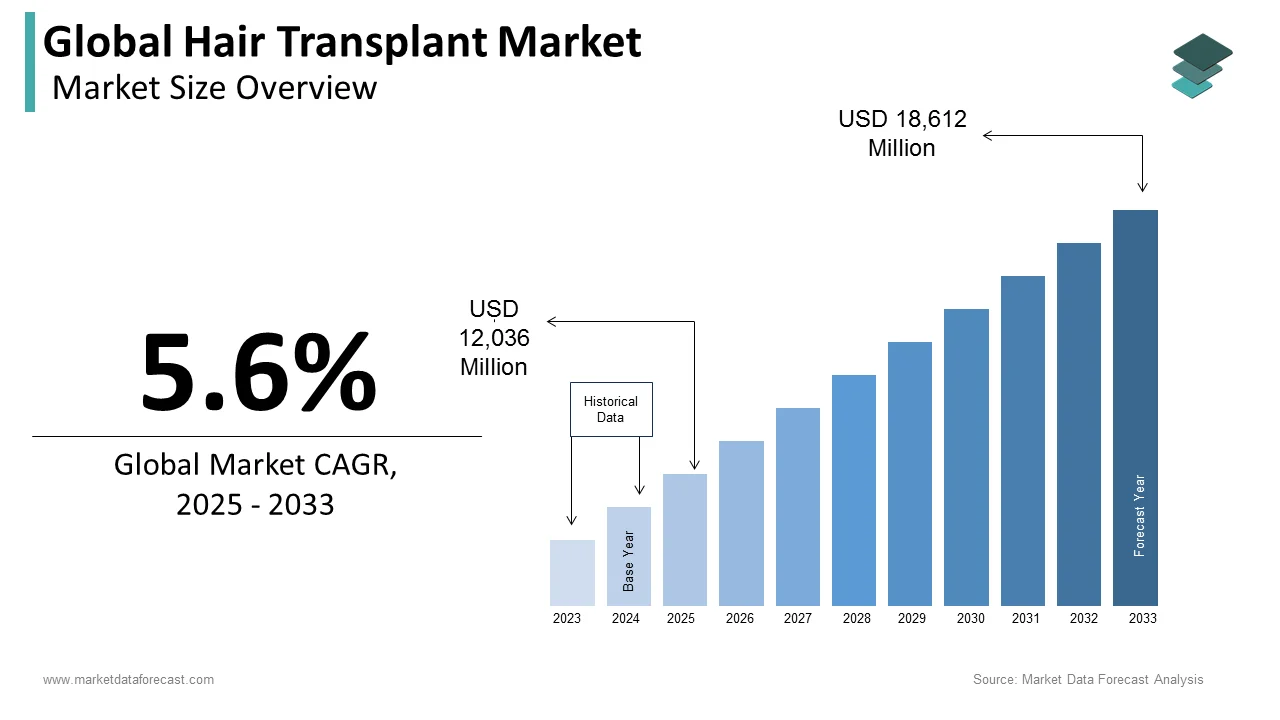
The global hair transplant market was valued at USD 12,036 million in 2025, is estimated to reach USD 12,710 million in 2026, and is projected to reach USD 19,654 million by 2034, growing at a CAGR of 5.6% from 2026 to 2034. Market growth is driven by increasing prevalence of hair loss conditions, rising aesthetic awareness, and growing demand for minimally invasive cosmetic procedures. Hair transplant procedures offer long-term solutions for baldness and thinning hair, contributing to their increasing popularity. The influence of social media, rising disposable incomes, and advancements in surgical techniques are further supporting market expansion globally.
Key Market Trends
- Increasing demand for cosmetic and aesthetic procedures.
- Rising prevalence of alopecia and hair loss disorders.
- Growing adoption of minimally invasive hair transplant techniques.
- Influence of social media and changing beauty standards.
- Expansion of medical tourism for affordable hair transplant procedures.
Segmental Insights
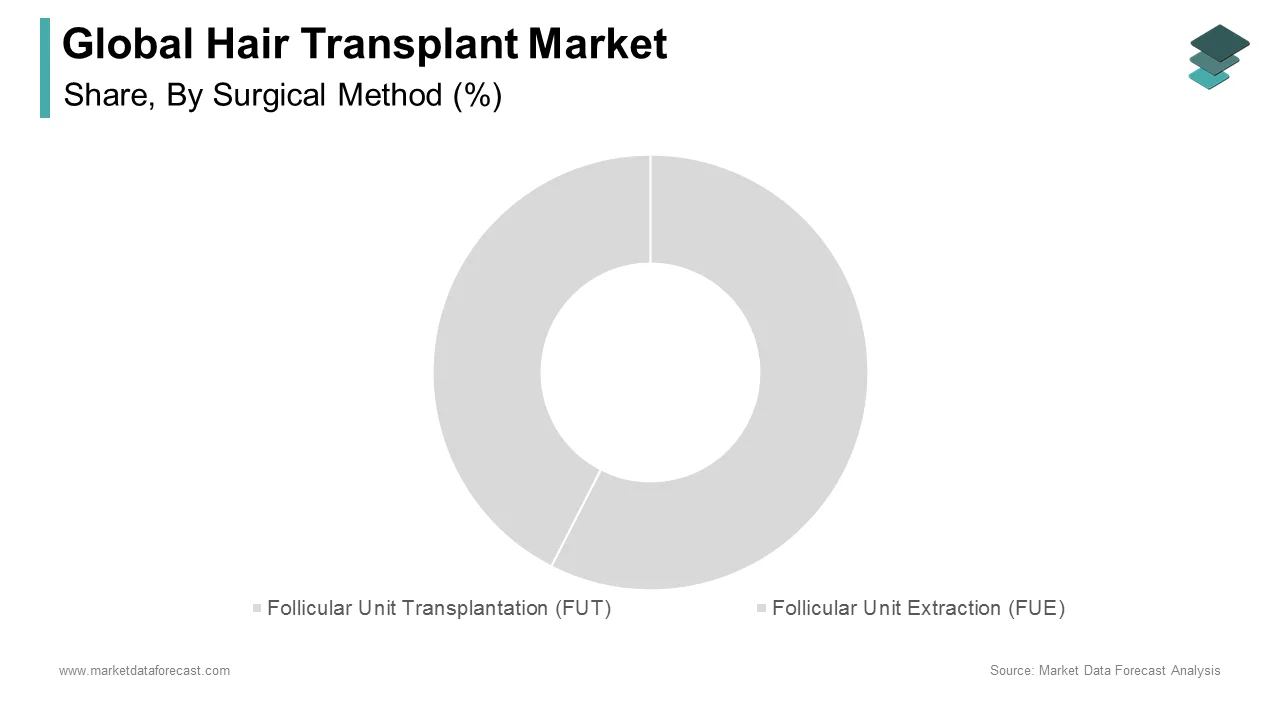
- Based on surgical method, the follicular unit extraction (FUE) segment dominated the market by capturing 66.5% share in 2025, driven by its minimally invasive nature and faster recovery time.
- Based on surgery type, the head hair transplant procedures segment held the largest share of 84.9% in 2025, supported by high demand for scalp hair restoration.
- Based on end user, the dermatologic clinics segment led the market with 54.4% share in 2025, driven by specialized expertise and increasing number of aesthetic clinics.
Regional Insights
The global hair transplant market is witnessing steady growth across regions due to rising aesthetic awareness and healthcare accessibility.
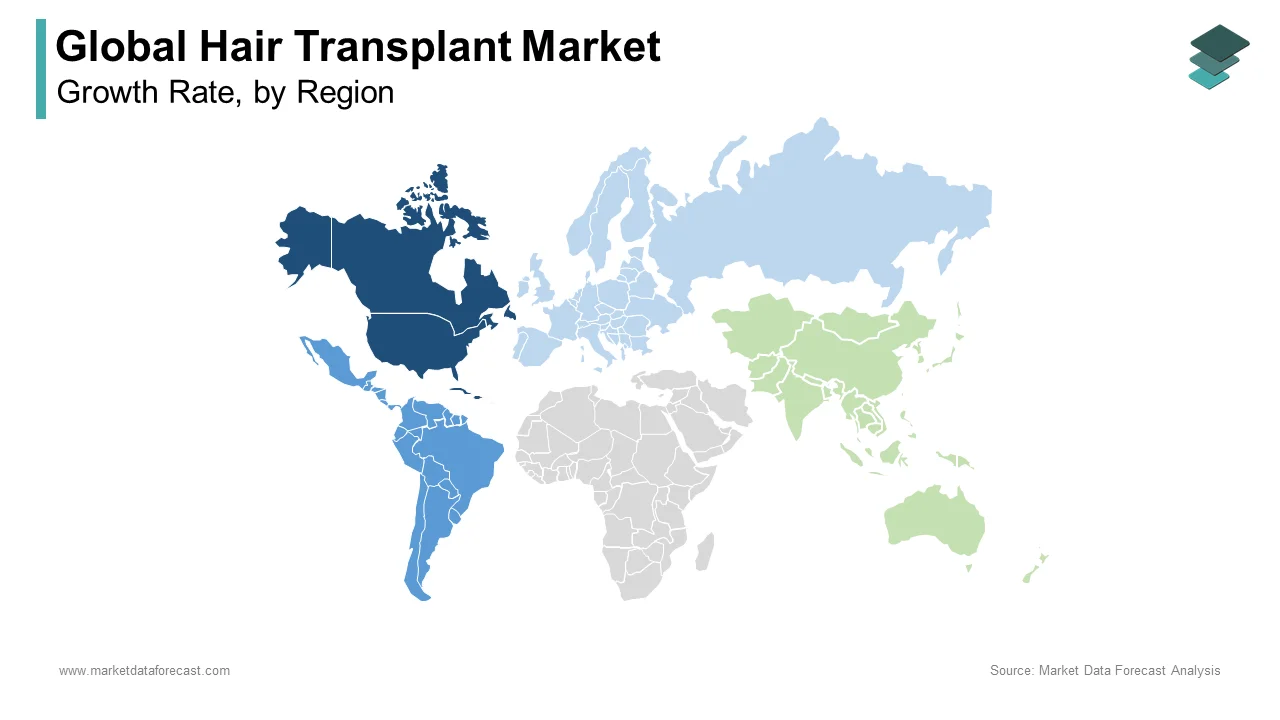
- North America led the market in 2025 with 36.6% share, supported by high disposable income and strong demand for cosmetic procedures.
- Europe held the second-largest share in 2025, driven by advanced healthcare systems and growing aesthetic awareness.
- Asia-Pacific is the fastest-growing region, fueled by large populations, rising middle-class incomes, and increasing demand for cosmetic enhancements.
Competitive Landscape
The global hair transplant market is moderately competitive, with the presence of specialized clinics and medical device providers. Market players are focusing on expanding service offerings, improving procedural outcomes, and leveraging advanced technologies. The rise of medical tourism and increasing clinic networks are shaping competitive dynamics across the market.
Prominent companies operating in the global hair transplant market include Allergan Plc, Bernstein Medical, Bosley Medical, GETFUE Hair Clinics Ltd., Hair Restoration Blackrock (HRBR), Hair Club, Venus Concept (NeoGraft), DHI Global Medical Group, Hairline International Hair and Skin Clinic, Hair Transplant Centre Turkey, Hair Transplants of Florida, and Cole Instruments Inc.
Global Hair Transplant Market Size
The size of the global hair transplant market was worth USD 12,036 million in 2025. The global market is anticipated to grow at a CAGR of 5.6% from 2026 to 2034 and be worth USD 19,654 million by 2034 from USD 12,710 million in 2026.
Hair transplant encompasses a specialized sector of aesthetic and reconstructive surgery dedicated to the surgical relocation of hair follicles from donor sites to areas affected by alopecia or thinning. This medical intervention utilizes advanced techniques such as Follicular Unit Extraction and Follicular Unit Transplantation to restore natural hair growth patterns with minimal scarring. According to the American Academy of Dermatology, androgenetic alopecia remains the most prevalent form of hair loss affecting men. As per the International Society of Hair Restoration Surgery, women also experience significant hair thinning, with many showing visible signs of loss by later stages of life. According to the Journal of the American Academy of Dermatology, individuals suffering from alopecia report higher levels of anxiety and depression compared to the general population. Technological advancements have reduced recovery times significantly, allowing patients to return to normal activities within 48 hours in many cases. As per the British Association of Dermatologists, stress-induced telogen effluvium has become increasingly common, with a notable portion of adults experiencing temporary shedding episodes following major life events. These factors collectively define a landscape where medical necessity increasingly intersects with cosmetic enhancement drives.
MARKET DRIVERS
Rising Prevalence of Androgenetic Alopecia across Demographics
The escalating global incidence of androgenetic alopecia is one of the major factors propelling the global hair transplant market expansion. This genetic condition affects billions of individuals worldwide, creating a vast addressable population seeking permanent solutions rather than temporary concealment methods. As per the World Health Organization, pattern hair loss impacts a large number of men and women in the United States, with similar trends observed in European and Asian populations. According to the International Society of Hair Restoration Surgery, clinical observations show that younger patients are increasingly seeking consultations. Early intervention has become a cultural norm as social media amplifies awareness of available treatments and reduces stigma associated with seeking help. The chronic nature of this condition ensures a steady stream of candidates who require surgical intervention when pharmacological treatments fail to yield satisfactory results. Furthermore, as per recent industry surveys, women now comprise a notable portion of transplant recipients. The universal desire to maintain a youthful appearance, combined with the biological reality of genetic predisposition, creates a sustained and growing demand base that drives market expansion globally.
Technological Advancements Minimizing Invasiveness and Downtime
Breakthroughs in surgical technology and instrumentation have fundamentally transformed patient willingness to undergo hair transplantation by drastically reducing procedural trauma and recovery periods, which is further boosting the hair transplant market growth. The evolution from strip harvesting methods to refined Follicular Unit Extraction techniques allows surgeons to harvest individual follicles with precision instruments, resulting in virtually undetectable scarring. As per the Journal of Cutaneous and Aesthetic Surgery, robotic assistance systems now enable highly efficient extraction with accuracy that reduces human error and fatigue. These technological improvements have shortened post-operative downtime from several weeks to merely a few days, enabling professionals to schedule surgeries without extended leaves of absence. According to the American Board of Hair Restoration Surgery, motorized punches and implantation pens have increased graft survival rates significantly, which is enhancing overall patient satisfaction and confidence in outcomes. Minimal invasiveness also lowers the risk of complications such as infection or necrosis, making the procedure safer for a broader range of candidates, including those with previous surgical histories. The ability to perform these procedures under local anesthesia in outpatient settings further increases accessibility and convenience. As technology continues to refine the balance between efficacy and comfort, barriers to entry diminish, encouraging previously hesitant individuals to pursue surgical restoration.
MARKET RESTRAINTS
Prohibitive Costs and Lack of Insurance Coverage
The substantial financial burden associated with hair transplantation is hindering the expansion of the global hair transplant market. Most insurance carriers classify hair restoration as an elective cosmetic procedure rather than a medically necessary treatment, which is resulting in zero reimbursement for patients regardless of the severity of their hair loss or psychological distress. As per the American Society of Plastic Surgeons, the average cost of a comprehensive hair transplant session varies widely depending on the number of grafts required and the geographic location of the clinic. This out-of-pocket expense places the procedure out of reach for a significant portion of the population, particularly in developing economies where disposable income is limited. Financing options exist but often carry high interest rates that deter price-sensitive consumers from committing to surgery. The lack of standardized pricing also creates confusion and mistrust, with some clinics charging premium rates for branded techniques that offer marginal clinical benefits over standard methods. Economic downturns exacerbate this restraint as consumers prioritize essential spending over aesthetic enhancements. The high cost relative to non-surgical alternatives like topical medications or fibers forces many individuals to delay or abandon surgical plans entirely. Until insurance policies evolve to recognize the psychosocial impact of alopecia or until costs decrease through technological efficiencies, financial constraints will continue to limit market penetration significantly.
Shortage of Qualified and Certified Surgical Professionals
A critical scarcity of properly trained and board-certified hair restoration surgeons acts as a significant bottleneck restricting market growth and compromising patient safety in various regions. The complexity of hair transplantation requires extensive specialized training beyond general dermatology or plastic surgery residencies, yet few formal fellowship programs exist globally to meet the surging demand for skilled practitioners. As per the International Society of Hair Restoration Surgery, there are fewer than 1000 fully certified hair restoration surgeons worldwide, a number insufficient to serve the millions of potential patients seeking care. This shortage has led to the proliferation of unqualified technicians performing surgeries in unregulated environments, particularly in medical tourism hubs where oversight is lax. According to the World Medical Association, a significant portion of procedures performed in certain low-cost destinations are conducted by individuals lacking medical degrees, leading to poor outcomes and complications. The learning curve for mastering advanced techniques like robotic extraction is steep, requiring extensive supervised cases before achieving proficiency. Without adequate mentorship and structured education pathways, the supply of competent surgeons cannot scale to match market demand. This disparity forces patients to endure long waiting lists or travel great distances to access reputable care, thereby suppressing overall procedure volumes and stifling market expansion in underserved areas.
MARKET OPPORTUNITIES
Expansion into Female Hair Loss and Ethnic Specific Solutions
The untapped potential within the female demographic and specific ethnic groups is a lucrative opportunity for market expansion through tailored service offerings and targeted marketing strategies. Historically, hair transplant marketing focused heavily on male pattern baldness, overlooking the unique presentation and psychological impact of hair loss in women who often experience diffuse thinning rather than receding hairlines. As per the American Academy of Dermatology, millions of women in the United States suffer from female pattern hair loss, yet they represent a relatively small portion of current transplant recipients. Developing specialized techniques for female patients, such as long hair FUE that avoids shaving the donor area, addresses aesthetic concerns specific to this group, and opens a vast new customer base. Similarly, ethnic populations, including individuals of African, Asian, and Hispanic descent, possess distinct hair curl patterns and follicular structures that require modified surgical approaches to ensure optimal graft survival and natural results. The global rise in disposable income among middle-class populations in Asia and Latin America further fuels this opportunity, as cultural emphasis on appearance drives demand for personalized solutions. Clinics that invest in training staff to handle diverse hair types and create inclusive marketing campaigns can capture significant market share. Addressing these neglected segments not only diversifies revenue streams but also fosters brand loyalty within communities that have historically felt excluded from mainstream hair restoration narratives.
Integration of Regenerative Medicine and Adjunctive Therapies
The convergence of hair transplantation with regenerative medicine technologies offers a potential opportunity to enhance graft survival rates and stimulate native hair growth, which is creating premium service tiers for discerning patients. Techniques such as Platelet Rich Plasma therapy and stem cell enrichment involve injecting concentrated growth factors derived from the patient's own blood directly into the scalp during or after the transplant procedure to accelerate healing and boost follicular activity. As per the Dermatologic Surgery journal, combining PRP with traditional transplantation has shown significant improvements in hair density compared to surgery alone. The development of exosome therapy and adipose-derived stem cell applications promises to revolutionize the field by potentially activating dormant follicles in surrounding areas, which extends the longevity of transplant results. These adjunctive treatments command higher profit margins and differentiate providers in a crowded marketplace by offering comprehensive hair health solutions rather than isolated surgical events. The growing consumer interest in biologics and natural healing modalities aligns perfectly with these innovations, which are driving acceptance and willingness to pay for enhanced protocols. As research validates the efficacy of these combination therapies, they are poised to become the standard of care and are expanding the total addressable market by attracting patients who previously deemed themselves unsuitable candidates due to poor donor quality or advanced loss stages.
MARKET CHALLENGES
Risk of Unethical Practices and Medical Tourism Complications
The burgeoning medical tourism industry within the hair transplant sector is a significant challenge regarding patient safety and ethical standards, threatening the reputation of the entire market. Patients seeking lower costs often travel to countries with lax regulatory frameworks where clinics prioritize volume over quality, employing assembly-line tactics that compromise sterile techniques and individualized care planning. As per the British Association of Aesthetic Plastic Surgeons, patients returning home with severe complications such as permanent scarring, unnatural hairlines, and necrotic tissue damage have been reported due to overcrowded surgical schedules and inexperienced operators. The lack of follow-up care for international patients exacerbates these issues, as local physicians may be unwilling or unable to correct botched procedures performed abroad. This phenomenon erodes public trust in hair transplantation as a safe and reliable option, deterring potential candidates who fear malpractice. The variability in licensing requirements across borders makes it difficult for international bodies to enforce consistent standards or hold negligent practitioners accountable. High-profile cases of disfigurement receive widespread media attention, creating a negative perception that overshadows the successes of legitimate providers. Combating this challenge requires rigorous international cooperation on accreditation standards and increased patient education regarding the risks of prioritizing cost over qualifications.
Psychological Impact of Unrealistic Patient Expectations
Managing unrealistic patient expectations represents a persistent clinical and operational challenge that can lead to dissatisfaction even when surgical outcomes are technically successful. Many individuals approaching hair restoration harbour misconceptions fueled by edited social media images and aggressive marketing claims that promise full heads of hair regardless of donor limitations or disease progression. The finite nature of donor supply means that surgeons must often prioritize framing the face rather than restoring juvenile density, a nuance that patients frequently struggle to accept prior to consultation. As per the Journal of Cosmetic Dermatology, a notable portion of patients report dissatisfaction with their results primarily due to a mismatch between expected and achievable density rather than actual surgical failure. These disconnect often stems from inadequate pre-operative counselling or the patient's refusal to acknowledge the progressive nature of androgenetic alopecia, which may require multiple sessions or lifelong medical management. When expectations are not aligned with reality, patients may experience renewed psychological distress, file complaints, or demand refunds, creating legal and reputational risks for clinics. The challenge is compounded by the emotional vulnerability of candidates who view surgery as a panacea for broader life insecurities. Ensuring thorough psychological screening and transparent communication about limitations is resource-intensive but essential to mitigate these risks and maintain high satisfaction rates in an increasingly competitive environment.
REPORT COVERAGE
| REPORT METRIC | DETAILS |
| Market Size Available | 2025 to 2034 |
| Base Year | 2025 |
| Forecast Period | 2026 to 2034 |
| Segments Covered | By Surgical Method, Surgery Type, End-User, and Region. |
| Various Analyses Covered | Global, Regional, and Country-Level Analysis, Segment-Level Analysis, Drivers, Restraints, Opportunities, Challenges; PESTLE Analysis; Porter’s Five Forces Analysis, Competitive Landscape, Analyst Overview of Investment Opportunities |
| Regions Covered | North America, Europe, Asia Pacific, Latin America, Middle East & Africa |
| Market Leaders Profiled | Allergan Plc, Bernstein Medical, Bosley, GETFUE Hair Clinics Ltd., Hair Restoration Blackrock (HRBR), Hair Club, Venus Concept (NeoGraft), Hairline International Hair and Skin Clinic, Hair Transplant Centre Turkey, Hair Transplants of Florida, and Cole Instruments Inc. |
SEGMENTAL ANALYSIS
By Surgical Method Insights
The follicular unit extraction segment dominated the market by holding 66.5% of the global market share in 2025. The dominance of the follicular unit extraction segment in the global market is attributed to the procedure's minimally invasive nature, which eliminates the need for a linear incision and subsequent sutures required in traditional strip methods. Patients increasingly prefer FUE because it allows for quicker recovery and the ability to wear hair very short without visible scarring, a critical factor for modern aesthetic preferences. The technique involves extracting individual follicular units directly from the donor area using micro punches, resulting in tiny dot scars that are virtually undetectable. As per the International Society of Hair Restoration Surgery, the majority of hair restoration procedures performed globally now utilize some form of FUE technique. The versatility of FUE also allows surgeons to harvest grafts from various body areas, including the beard and chest, expanding the pool of eligible candidates. Reduced post-operative pain and lower risk of complications further solidify its position as the gold standard in the industry. As technology advances with robotic assistance and motorized devices, the precision and speed of FUE continue to improve and are reinforcing the leadership of the follicular unit extraction segment in the global market.
While FUE is the leading method, the integration of robotic assistance within the FUE segment is the fastest-growing technological segment and is projected to expand at a CAGR of 13.5% over the forecast period, owing to the growing demand for precision in graft extraction and the need to mitigate surgeon fatigue during high-volume procedures. Robotic systems utilize artificial intelligence and real-time imaging to identify optimal follicles and calculate the perfect angle for extraction. The ability of these machines to work continuously without degradation in performance allows clinics to perform larger sessions safely, attracting patients who require extensive coverage. As per Grand View Research, the adoption of robotic platforms has been increasing rapidly in major markets due to their ability to standardize outcomes across different operators. The technology also appeals to patients who perceive machine-assisted surgery as more advanced and reliable than manual techniques. As costs decrease and training programs expand, accessibility is improving, driving further adoption. The convergence of robotics with manual expertise creates a hybrid model that maximizes efficiency while maintaining the artistic judgment necessary for natural hairline design, positioning this segment for sustained growth.
By Surgery Type Insights
The head hair transplant procedures segment was the dominant segment of the market by holding 84.9% of the global market share in 2025. This overwhelming majority of the head hair transplant procedures segment in the global market is driven by the prevalence of androgenetic alopecia, commonly known as male or female pattern baldness that affects the scalp far more frequently than any other body part. The psychological impact of losing hair on the crown, temples, or vertex is profound, often affecting self-esteem and professional perception, which motivates millions to seek surgical solutions annually. The scalp offers the largest donor area and the most predictable growth patterns, making it the most technically feasible and successful site for transplantation. As per the World Health Organization, a significant portion of men worldwide experience hair loss by the age of 50, creating a massive and continuous pool of potential candidates. Advances in techniques have made head transplants highly effective, with survival rates exceeding 95% for properly handled grafts. The cultural emphasis on a full head of hair as a sign of youth and vitality further reinforces the demand for this specific procedure type. While other areas like eyebrows are gaining popularity, the scale of scalp hair loss ensures that head transplants remain the cornerstone of the industry.
The eyebrow transplantation segment is emerging as the fastest-growing segment within the hair transplant market and is anticipated to witness a CAGR of 14.4% over the forecast period, owing to the changing beauty trends that emphasize full, defined eyebrows as a key feature of facial aesthetics, alongside a rising incidence of eyebrow loss due to over-plucking, aging, and medical conditions. The procedure involves transplanting fine hair follicles from the scalp to the brow area to create natural-looking arches that frame the face. Unlike temporary solutions like makeup or microblading, eyebrow transplants offer a permanent resolution that withstands water and exercise. As per Allied Market Research, interest in facial hair restoration has grown significantly in recent years, with women comprising the majority of this demographic. The influence of social media influencers and celebrities showcasing bold brows has normalized and popularized the procedure. Additionally, advancements in micro-grafting techniques allow for the precise placement of single hair follicles, mimicking the natural direction and curl of eyebrow hair. As awareness spreads and techniques become more refined, the barrier to entry lowers, attracting a wider audience seeking long-term aesthetic enhancement.
By End User Insights
The dermatologic clinics segment held the leading position in the hair transplant market end-user segmentation by capturing 54.4% of the global market share in 2025. The growth of the dermatologic clinics segment in the global market can be credited to the specialized expertise of dermatologists in diagnosing and treating conditions related to the skin, hair, and nails, which is making them the most trusted providers for hair restoration services. Patients often consult dermatologists first for hair loss issues, which creates a seamless pathway from diagnosis to surgical intervention within the same practice. These clinics are equipped with state-of-the-art facilities and adhere to strict medical standards, ensuring high safety and efficacy rates. As per the American Academy of Dermatology, board-certified dermatologists perform a significant majority of hair transplant procedures in North America and Europe due to their comprehensive understanding of hair biology and pathology. The ability to offer adjunctive medical therapies such as prescription medications and laser treatments alongside surgery provides a holistic approach that appeals to patients. The reputation of dermatologists as medical doctors rather than cosmetic technicians instills a high level of confidence in potential candidates. Furthermore, many dermatologic clinics have invested heavily in advanced technologies like robotic systems and microscopic dissection tools, reinforcing their competitive edge. The integration of hair restoration into broader dermatological care ensures a steady flow of referrals and repeat business.
On the other side, the trichology clinics segment is witnessing the fastest growth among end-user segments and is estimated to grow at a CAGR of 13.3% over the forecast period, owing to the increasing specialization of hair care services and the rising consumer preference for dedicated centers that focus exclusively on scalp and hair health. Trichologists are specialists who bridge the gap between dermatology and cosmetology, offering personalized consultations and tailored treatment plans that address both the medical and aesthetic aspects of hair loss. The proliferation of boutique trichology centers in urban areas caters to a discerning clientele seeking privacy and bespoke service. As per the Institute of Trichologists, the number of certified trichology practices has increased significantly in recent years, reflecting surging demand. These clinics often employ a consultative approach that educates patients extensively about their condition, fostering strong relationships and high retention rates. The integration of advanced diagnostic tools such as digital scalp analysis and genetic testing allows for highly customized interventions. As awareness of trichology as a distinct discipline grows, more patients are bypassing general practitioners to seek direct care from these specialized entities, driving their rapid market penetration.
REGIONAL ANALYSIS
North America Hair Transplant Market Analysis
North America led the market by capturing a leading share of 36.6% of the global market in 2025. The dominance of North America in the global market is attributed to the United States, which boasts a highly developed healthcare infrastructure, high disposable income, and a culture that places a significant premium on youthful aesthetics. The presence of leading technology developers and top-tier medical professionals ensures that the latest advancements in robotic and manual extraction techniques are rapidly adopted here. High awareness levels regarding hair loss treatments and the destigmatization of cosmetic procedures have led to widespread acceptance among both men and women. As per the American Society of Plastic Surgeons, hair restoration procedures have seen consistent annual growth in the US over the last decade. Canada also contributes to the regional strength with a growing number of specialized clinics catering to an aging population. The concentration of renowned medical institutions and rigorous regulatory standards maintains a high quality of care, attracting domestic and international patients alike.
Europe Hair Transplant Market Analysis
Europe held the second-largest share of the global hair transplant market in 2025. Western European nations like the UK, Germany, and France serve as hubs for high-end medical tourism, while Eastern European countries, particularly Turkey, have emerged as global leaders for high-volume, affordable care. Turkey alone performs a very large number of procedures annually, attracting patients worldwide due to competitive pricing and specialized packages. The European market benefits from stringent regulatory frameworks under the European Medicines Agency that ensure high safety standards. As per the International Society of Hair Restoration Surgery, Europe hosts prestigious annual conferences and training programs for surgeons. The aging population in countries like Italy and Spain drives steady demand, while younger demographics in the UK and Germany fuel expansion.
Asia Pacific Hair Transplant Market Analysis
Asia Pacific is the fastest-growing region in the hair transplant market. The region is driven by massive populations in China, India, Japan, and South Korea, where rising middle-class incomes and changing beauty standards fuel demand. South Korea is a global leader in aesthetic medicine, setting trends that influence the continent. Lifestyle factors such as stress and poor diet are increasing hair loss prevalence, creating a large pool of candidates. As per the Asia Pacific Hair Restoration Association, the number of procedures has grown significantly in recent years. Governments in Thailand and India are actively promoting medical tourism, offering incentives to attract international patients.
Latin America Hair Transplant Market Analysis
Latin America accounts for a notable share of the global hair transplant market and represents a nascent but promising segment with significant growth potential. Brazil and Mexico are the regional leaders, driven by a strong culture of aesthetic enhancement and a well-developed plastic surgery industry. The region is known for producing highly skilled surgeons who often train internationally and bring back advanced techniques. The cost of procedures in Latin America is generally lower than in North America and Europe, making it an attractive destination for medical tourists from the US and Canada. As per the Latin American Society of Aesthetic Plastic Surgery, hair restoration is among the fastest-growing cosmetic procedures in the region. The rising prevalence of androgenetic alopecia, combined with increasing urbanization, is driving local demand. However, economic volatility and unequal income distribution pose challenges to widespread adoption. Despite these hurdles, the growing middle class in countries like Colombia and Argentina is increasingly investing in personal appearance. The region’s warm climate and tourist-friendly environments also support the medical tourism model, where patients combine recovery with vacation.
Middle East and Africa Hair Transplant Market Analysis
The Middle East and Africa region holds the smallest share of the global hair transplant market but exhibits distinct pockets of high activity and potential. The Gulf Cooperation Council countries, particularly the UAE and Saudi Arabia, are the primary drivers, fueled by high disposable incomes and a strong focus on luxury healthcare services. These nations are investing heavily in medical infrastructure and attracting top international talent to establish world-class clinics. In contrast, the African market is largely undeveloped due to economic constraints and limited access to specialized care, though South Africa stands out as a regional hub with a more mature market. As per the Middle East Aesthetic Medicine Conference, demand for hair restoration in the GCC has surged in recent years, driven by a young population and high rates of genetic hair loss. Cultural factors in the region place a high value on grooming and appearance, supporting the uptake of cosmetic procedures. Medical tourism is beginning to emerge in Dubai, positioning it as a luxury destination for hair transplants.
COMPETITIVE LANDSCAPE
The competition in the hair transplant market is highly fragmented and intense, characterized by a mix of large multinational chains, numerous independent clinics, and individual practitioners. Large organizations leverage brand recognition and standardized protocols to dominate major urban centers while smaller entities compete through personalized service and lower pricing structures. Technological advancement serves as a primary battleground with providers racing to adopt robotic systems and minimally invasive techniques to attract discerning patients. Price competition remains fierce, especially in medical tourism hubs where countries vie for international visitors by offering bundled packages at reduced costs. Reputation management is critical as online reviews and before-and-after galleries significantly influence consumer choice and trust levels. Regulatory compliance varies by region, creating barriers that favor established players with resources to navigate complex legal frameworks. The influx of new entrants seeking to capitalize on rising demand forces incumbents to continuously innovate and improve patient experiences. This dynamic environment drives constant evolution in service quality and operational efficiency across the global industry landscape.
KEY MARKET PARTICIPANTS
Some of the companies that are playing a dominating role in the global hair transplant market include
- Allergan Plc
- Bernstein Medical
- Bosley Medical
- GETFUE Hair Clinics Ltd.
- Hair Restoration Blackrock (HRBR)
- Hair Club
- Venus Concept (NeoGraft)
- DHI Global Medical Group
- Hairline International Hair and Skin Clinic
- Hair Transplant Centre Turkey
- Hair Transplants of Florida
- Cole Instruments Inc.
TOP PLAYERS IN THE MARKET
- Bosley Medical stands as a pioneering entity in the hair restoration industry with a vast network of clinics across North America. The company specializes in both surgical and non-surgical treatments, offering comprehensive solutions for men and women experiencing hair loss. Bosley recently invested heavily in advanced robotic extraction technologies to enhance precision and reduce recovery times for patients. Their strategic focus includes expanding their footprint through new clinic openings in key metropolitan areas to increase accessibility. The firm also launched extensive educational campaigns to destigmatize hair loss and inform potential candidates about modern techniques. By integrating proprietary aftercare protocols and leveraging telehealth consultations, Bosley strengthens patient retention and satisfaction. These initiatives demonstrate their commitment to maintaining leadership through innovation and broad service availability in the global market.
- HairClub operates as a prominent provider of hair loss solutions with a unique model combining surgical transplants with non-invasive systems. The company serves a diverse clientele by offering customized treatment plans that range from laser therapy to follicular unit extraction procedures. HairClub has recently strengthened its market position by acquiring independent practices to expand its national reach and consolidate expertise. They actively promote their exclusive Extremes Hair Therapy program alongside surgical options to provide holistic care. The firm invests in continuous training for its staff to ensure adherence to high clinical standards and safety protocols. Their marketing strategies emphasize personalized consultations and realistic outcome expectations to build trust with consumers. By diversifying service offerings and enhancing operational scale, HairClub solidifies its role as a key contributor to the evolving hair restoration landscape.
- DHI Global Medical Group is a leading international organization renowned for developing the Direct Hair Implantation method, which revolutionized transplant efficiency. The company operates a global network of specialized clinics that adhere to strict medical protocols and utilize proprietary implanter pens for precise graft placement. DHI recently expanded its presence in emerging markets across Asia and Latin America to cater to growing demand. They focus heavily on research and development to refine their technique and improve graft survival rates significantly. The group emphasizes medical tourism by offering all-inclusive packages that attract international patients seeking high-quality care. Their commitment to standardization ensures consistent results across all locations worldwide. Through strategic partnerships and continuous technological upgrades, DHI maintains its reputation as an innovator driving global standards in hair transplantation.
TOP STRATEGIES USED BY KEY MARKET PARTICIPANTS
Key players in the hair transplant market primarily employ strategic acquisitions of smaller clinics to rapidly expand their geographic footprint and consolidate regional influence. Companies invest substantially in advanced robotic and automated technologies to improve procedural precision and reduce surgeon fatigue during long sessions. Developing proprietary surgical techniques and tools allows firms to differentiate their services and command premium pricing in a competitive landscape. Major participants focus on aggressive digital marketing campaigns and social media engagement to educate consumers and generate high-quality leads globally. Establishing comprehensive medical tourism packages, including travel and accommodation, helps attract international patients seeking cost-effective yet high-quality care. Providers also prioritize staff training and certification programs to ensure clinical excellence and maintain high patient satisfaction scores. These collective strategies aim to enhance brand recognition, drive procedure volumes, and secure long-term growth in the expanding aesthetic medicine sector.
MARKET SEGMENTATION
This research report on the global hair transplant market has been segmented and sub-segmented based on the surgical method, surgery type, end-user, and region.
By Surgical Method
- Follicular Unit Transplantation (FUT)
- Follicular Unit Extraction (FUE)
- Others
By Surgery Type
- Head Hair Transplant
- Eyebrow Transplant
- Frontal Hairline Lowering or Reconstruction
- Others
By End-user
- Trichology Clinics
- Hospitals
- Dermatologic Clinics
- Others
By Region
- North America
- Europe
- Asia Pacific
- Latin America
- Middle East and Africa
Frequently Asked Questions
1. What are the major hair transplant techniques in the global hair transplant market?
Follicular unit extraction (FUE) and follicular unit transplantation (FUT) dominate the global hair transplant market as preferred surgical techniques
2. How does robotic technology impact the global hair transplant market?
Robotic hair transplant technology improves precision and outcomes, accelerating growth in the global hair transplant market
3. Which regions lead the global hair transplant market?
North America and Europe hold significant shares, while Asia Pacific shows rapid growth in the global hair transplant market
4. How do gender demographics impact the global hair transplant market?
The male segment leads the global hair transplant market due to higher hair loss prevalence; however, female segment growth is rising
5. What role does cost play in the global hair transplant market?
Cost and affordability influence treatment adoption rates significantly across different regions in the global hair transplant market
6. How do minimally invasive techniques influence the global hair transplant market?
Minimally invasive procedures like FUE drive patient preference, boosting growth in the global hair transplant market
7. What are emerging technologies in the global hair transplant market?
Emerging trends include stem cell therapy, platelet-rich plasma (PRP), and laser therapy in the global hair transplant market
8. How does medical tourism affect the global hair transplant market?
Medical tourism for hair transplant procedures is increasing, especially in cost-competitive regions, contributing to market expansion
9. Which service providers dominate the global hair transplant market?
Clinics and dermatology centers are major service providers dominating the global hair transplant market
10. How does social media influence the global hair transplant market?
Social media awareness raises demand and acceptance of hair restoration procedures in the global hair transplant market
Related Reports
Access the study in MULTIPLE FORMATS
Purchase options starting from
$ 2500
Didn’t find what you’re looking for?
TALK TO OUR ANALYST TEAM
Need something within your budget?
NO WORRIES! WE GOT YOU COVERED!
Call us on: +1 888 702 9696 (U.S Toll Free)
Write to us: sales@marketdataforecast.com