- Product Description Description
- Table of Contents TOC
- List of Table & Figure LOT
- Get Free Sample PDF Sample PDF
Market Size, 2025
$5.32 BnMarket Estimate, 2026
$5.43 BnMarket Forecast, 2034
$6.43 BnCAGR, 2026–2034
2.12%Global Bipolar Disorder Market Report Summary
The global bipolar disorder market was valued at USD 5.32 billion in 2025 and is projected to grow from USD 5.43 billion in 2026 to USD 6.43 billion by 2034, registering a CAGR of 2.12% from 2026 to 2034. Market growth is driven by the increasing prevalence of bipolar disorder, growing awareness regarding mental health conditions, and rising access to psychiatric care and therapeutic interventions worldwide. Bipolar disorder treatment includes a combination of antipsychotics, antidepressants, mood stabilizers, and psychotherapy aimed at managing manic and depressive episodes. Expanding mental health initiatives, improved diagnostic capabilities, and increasing integration of digital mental health platforms are further supporting market growth globally.
Key Market Trends
- Rising awareness regarding mental health disorders and early diagnosis initiatives.
- Increasing adoption of personalized psychiatric treatment approaches.
- Growing integration of digital mental health and telepsychiatry platforms.
- Expansion of antipsychotic and mood stabilizer therapeutic pipelines.
- Increasing government support for mental healthcare access and insurance coverage.
Segmental Insights
- Based on type, the Bipolar I Disorder segment dominated the global bipolar disorder market in 2025 by accounting for 34.3% market share, driven by higher diagnosis rates and greater clinical severity requiring long-term therapeutic management.
- Based on mechanism of action, the Selective Serotonin Reuptake Inhibitors (SSRIs) segment led the market by capturing 26.9% share in 2025, supported by their widespread use in managing depressive symptoms associated with bipolar disorder.
- Based on drug class, the antipsychotic drugs segment held the largest share of 36.3% in 2025, driven by increasing adoption of second-generation antipsychotics for mood stabilization and relapse prevention.
Regional Insights
The global bipolar disorder market is witnessing stable growth across major regions, supported by increasing mental health awareness, expanding psychiatric treatment infrastructure, and growing healthcare investments.
- North America dominated the global market in 2025 with 37.4% share, driven by strong clinical integration, advanced psychiatric care systems, and an expanding pipeline of personalized mental health therapies.
- Europe remained the second-largest regional market, supported by increasing adoption of digital mental health tools, public healthcare support, and growing psychiatric awareness initiatives.
- Asia-Pacific is projected to register the fastest growth during the forecast period, driven by improving diagnostic capabilities, expanding mental healthcare access, and increasing modernization of psychiatric treatment infrastructure.
Competitive Landscape
The global bipolar disorder market is characterized by strong competition among pharmaceutical companies focusing on innovative psychiatric therapies, personalized treatment solutions, and long-term mental health management strategies. Market participants are emphasizing research and development of next-generation antipsychotics, mood stabilizers, and digital mental health integration to strengthen market positioning. Strategic collaborations, acquisitions, and investments in neuroscience research are shaping competitive dynamics across the market.
Prominent companies operating in the global bipolar disorder market include Gedeon Richter, Indivior, AstraZeneca, Janssen Pharmaceuticals, Lundbeck, Bristol-Myers Squibb, Otsuka Holdings Co. Ltd., GlaxoSmithKline (GSK), Allergan Plc, Pfizer, Inc., and AbbVie, Inc.
Global Bipolar Disorder Market Size
The size of the global bipolar disorder market was worth USD 5.32 billion in 2025. The global market is anticipated to grow at a CAGR of 2.12% from 2026 to 2034 and be worth USD 6.43 billion by 2034 from USD 5.43 billion in 2026.
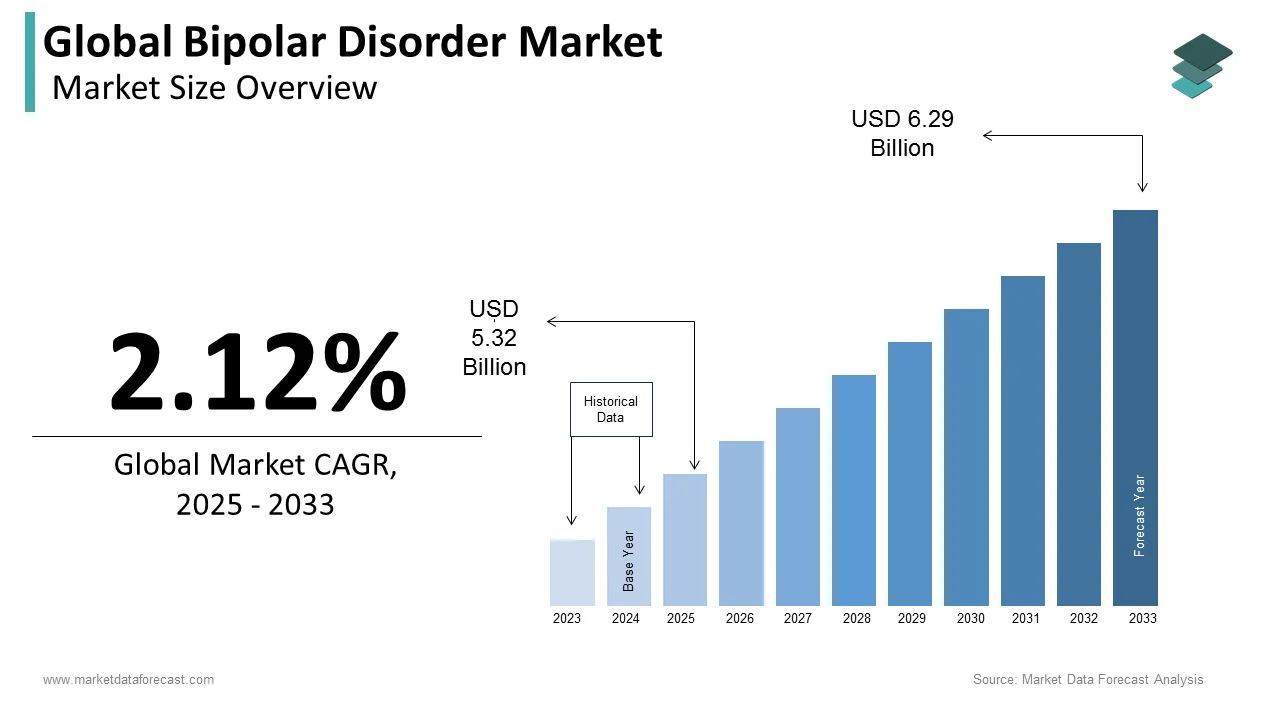
Bipolar Disorder is a mental health condition that causes extreme shifts in mood, energy, activity levels, and concentration. This market addresses the needs of individuals experiencing extreme shifts in energy, activity levels, and concentration, ranging from manic highs to depressive lows. According to official data maintained by the World Health Organization, an estimated 37 million people worldwide live with bipolar disorder, representing a major driver of global health disability. The European Commission indicates that bipolar spectrum disorders affect roughly 1% to 2% of the adult population across the European Union, prompting a €1.23 billion comprehensive mental health initiative to address societal and care gaps. The National Institute of Mental Health (NIMH) states that early identification and immediate treatment significantly decrease the frequency of relapses and prevent severe symptom escalation. The market is characterized by a shift toward personalized medicine, where genetic profiling informs treatment selection to minimize adverse effects. Regulatory bodies such as the Food and Drug Administration continue to approve novel mechanisms of action targeting neurotransmitter pathways beyond traditional lithium and antipsychotics. The integration of telepsychiatry has expanded access to care, particularly in underserved regions. As stigma decreases and awareness increases, more individuals seek professional help, driving demand for both established therapies and innovative digital monitoring tools. This evolving landscape reflects a holistic approach to management, combining clinical efficacy with quality of life improvements for patients navigating this lifelong condition.
MARKET DRIVERS
Increasing Prevalence and Improved Diagnostic Accuracy
The rising prevalence of bipolar disorder, coupled with enhanced diagnostic capabilities, is a key driver in the expansion of the global bipolar disorder market. Medical professionals are increasingly utilizing standardized screening tools and advanced imaging techniques to distinguish bipolar disorder from unipolar depression, which often presents with similar symptoms. Data maintained by the Global Burden of Disease Study ranks bipolar disorder as one of the top causes of years lived with disability (YLDs) globally, requiring targeted regional psychiatric care resource planning. This improved accuracy ensures that patients receive appropriate mood stabilizers rather than antidepressants alone, which can trigger manic episodes. According to clinical assessment standards supported by the American Psychiatric Association (APA), patients with bipolar disorder face significant diagnostic delays, often spending years seeking treatment before receiving an accurate differential diagnosis. Early diagnosis prevents the progression of the disease and reduces the frequency of severe episodes requiring hospitalization. Public awareness campaigns have also played a crucial role, encouraging individuals to seek help for mood swings previously dismissed as personality traits. The National Alliance on Mental Illness (NAMI) shows that bipolar disorder affects millions of adults annually, with early diagnostic intervention remaining a major challenge due to overlapping clinical symptoms with major depressive disorder. This shift drives consistent demand for long-term maintenance medications and regular psychiatric consultations. The growing understanding of bipolar spectrum disorders further expands the patient pool, including those with milder forms who previously went untreated. Thus, the healthcare system sees a steady influx of new patients requiring comprehensive management plans, sustaining market growth.
Expansion of Telepsychiatry and Digital Health Integration
The rapid adoption of telepsychiatry and digital health technologies further propels the bipolar disorder market forward. This improves access to continuous care and monitoring. Remote consultations allow patients in rural or underserved areas to connect with specialists without the barrier of travel, which is often difficult during depressive phases. Reviews from the American Psychiatric Association (APA) reveal that a significant majority of practicing psychiatrists deliver remote services via synchronous video, transitioning outpatient mental health delivery into a standard hybrid care model. Digital therapeutics, including mobile applications for mood tracking and medication adherence, provide real-time data to clinicians, enabling timely adjustments to therapy. These tools help patients identify triggers and early warning signs of manic or depressive episodes, fostering self-management skills. Assessments published by the Journal of Medical Internet Research (JMIR) demonstrate that integrating continuous personal health tracking and digital communication can help identify clinical recovery patterns and flag early signs of patient health complications. Insurance providers are increasingly reimbursing for digital health services, making them financially accessible to a broader population. The integration of artificial intelligence in these platforms enhances predictive analytics, offering personalized insights into mood patterns. This technological evolution transforms passive treatment into active engagement, improving outcomes and reducing the overall burden on healthcare systems. The convenience and effectiveness of digital solutions drive their widespread adoption, creating a robust segment within the broader market.
MARKET RESTRAINTS
High Rates of Treatment Non-Adherence
A high rate of treatment non-adherence among patients undermines the effectiveness of therapeutic interventions, which is a significant constraint on the bipolar disorder market. Many individuals discontinue medication due to undesirable side effects such as weight gain, sedation, or cognitive dulling, or because they miss the euphoric feelings associated with manic episodes. Guidelines published by the International Society for Bipolar Disorders (ISBD) emphasize that long-term medication adherence is the primary factor in translating clinical efficacy into real-world recovery, as non-adherence significantly raises the risks of relapse and re-hospitalisation. This discontinuation leads to frequent relapses, hospitalizations, and increased healthcare costs, limiting the long-term revenue potential for pharmaceutical companies. The complex dosing regimens required for mood stabilizers further complicate adherence, especially for patients experiencing cognitive impairments during depressive phases. Research indicates that medication non-adherence in patients with bipolar disorder significantly undermines treatment usefulness and serves as a major driver of preventable hospital readmissions and emergency clinical utilization. This cycle of instability makes it difficult for clinicians to establish stable treatment protocols, leading to frequent medication switches and trial-and-error approaches. The lack of immediate visible benefits compared to the instant relief sought by patients contributes to dropout rates. Pharmaceutical manufacturers face challenges in demonstrating real-world effectiveness when a large portion of the patient population does not follow prescribed regimens. This issue necessitates additional investments in patient support programs and adherence technologies, increasing operational costs without guaranteeing improved outcomes. The persistent problem of non-adherence restricts market growth by limiting the consistent utilization of approved therapies.
Stigma and Social Barriers to Seeking Care
Persistent social stigma surrounding mental health conditions is also a major restraint on the expansion of the bipolar disorder market. This prevents many individuals from seeking diagnosis and treatment for this disorder. Despite increased awareness, misconceptions about the nature of the illness lead to discrimination in workplaces and social circles, causing patients to hide their symptoms. Studies show that public and institutional stigma act as a major barrier to seeking psychiatric help, frequently causing individuals to delay clinical care out of fear of social judgment or professional disadvantages. This avoidance delays entry into the healthcare system, reducing the addressable market for early intervention services and medications. Cultural beliefs in certain communities attribute mental illness to spiritual causes rather than biological factors, leading individuals to seek traditional healers instead of psychiatric care. According to data from the World Health Organization (WHO) Mental Health Gap Action Programme (mhGAP), between 75% and 85% of people with severe mental disorders in low- and middle-income countries receive no treatment for their condition due to scarce resources and widespread social stigma. Even in developed nations, workplace discrimination remains a concern, with many patients reluctant to disclose their condition to employers. This secrecy limits the uptake of employer-sponsored mental health programs and insurance benefits. The psychological burden of stigma exacerbates symptoms, creating a vicious cycle that further isolates patients. Marketing efforts by pharmaceutical companies are constrained by regulations that limit direct-to-consumer advertising in many regions, relying instead on physician education. Overcoming these deep-seated social barriers requires extensive public education campaigns, which are costly and slow to yield results, thereby restraining market penetration.
MARKET OPPORTUNITIES
Development of Novel Mechanisms of Action and Precision Medicine
The emergence of novel mechanisms of action and the advancement of precision medicine create a pathway for innovation in the bipolar disorder market. Researchers are exploring targets beyond traditional dopamine and serotonin pathways, including glutamate modulation and inflammatory markers, to develop more effective treatments with fewer side effects. The U.S. National Institutes of Health ClinicalTrials database shows an ongoing global pipeline of clinical trials investigating novel fast-acting treatments, including glutamatergic agents and advanced neuromodulation devices, to address treatment-resistant bipolar phases. The integration of pharmacogenomics allows clinicians to predict patient response to specific medications based on genetic profiles, reducing the trial-and-error period. The Food and Drug Administration has shown willingness to approve biomarkers as companion diagnostics, facilitating personalized treatment plans. Recommendations from the Implementing GeNomics In PracTicE (IGNITE) Network indicate that incorporating pharmacogenomic testing helps clinicians avoid specific high-risk genetic profile interactions, an optimization that dramatically improves long-term medication tolerability. This scientific progress attracts investment from biotechnology firms seeking to differentiate their portfolios in a crowded market. The potential for curative or disease-modifying therapies, rather than just symptom management, drives interest from venture capital and large pharmaceutical companies. Collaborations between academic institutions and industry players accelerate the translation of basic research into clinical applications. The success of ketamine and esketamine in treating depression has paved the way for similar rapid-acting agents in bipolar depression. These innovations offer hope for patients who have failed traditional therapies, which opens new revenue streams and expands the therapeutic landscape.
Integration of Artificial Intelligence in Predictive Analytics
The integration of artificial intelligence and machine learning into predictive analytics offers a transformative opportunity for enhancing patient outcomes and optimizing resource allocation in the bipolar disorder market. AI algorithms can analyze vast amounts of data from electronic health records, wearable devices, and patient-reported outcomes to predict impending mood episodes with high accuracy. Research reviews show that leveraging passive smartphone monitoring data, such as changes in physical locomotion, sleep intervals, and vocal acoustics, can help clinical teams track early behavioral biomarkers tied to mood phase transitions. This capability enables proactive interventions, such as medication adjustments or therapy sessions, before a full-blown episode occurs. Healthcare providers can use these insights to prioritize high-risk patients, improving efficiency and reducing emergency room visits. Tech companies are partnering with pharmaceutical firms to develop integrated platforms that combine drug delivery with digital monitoring. The European Parliament Panel for the Future of Science and Technology (STOA) emphasize that integrating algorithmic tools into psychiatric clinical workflows optimizes preventative diagnostic care, scaling down long-term hospitalization overhead and system resource constraints. Investors are increasingly funding startups focused on digital phenotyping, recognizing the commercial potential of data-driven insights. Regulatory frameworks are evolving to accommodate these technologies, providing a clear pathway for market entry. The ability to demonstrate measurable improvements in patient stability through data analytics strengthens the value proposition for payers and providers. This technological convergence creates new business models and revenue opportunities beyond traditional drug sales.
MARKET CHALLENGES
Complexity of Comorbid Conditions and Differential Diagnosis
The complexity of comorbid conditions and the difficulty in achieving accurate differential diagnosis are major challenges in the bipolar disorder market. Bipolar disorder frequently co-exists with anxiety disorders, substance abuse, and attention deficit hyperactivity disorder, complicating treatment plans and obscuring the primary diagnosis. The National Comorbidity Survey Replication (NCS-R) establishes that the vast majority of individuals diagnosed with bipolar disorder meet the clinical criteria for at least one comorbid lifetime condition, most frequently manifesting as severe anxiety or substance use disorders. This comorbidity requires multidisciplinary treatment approaches, increasing the burden on healthcare systems and confusing clinical trials for new drugs. Substance abuse, in particular, interferes with medication efficacy and adherence, leading to poor outcomes. Differentiating bipolar II disorder from major depressive disorder remains challenging, as hypomanic episodes are often subtle and unreported by patients. Major neuropsychiatric literature indicates that bipolar disorder is highly susceptible to initial misdiagnosis, frequently being misidentified as major depressive disorder, which leads to substantial delays in starting appropriate mood stabilizer regimens. This uncertainty leads to inappropriate prescribing, such as the use of antidepressants without mood stabilizers, which can worsen the course of the illness. Clinicians must navigate these complexities with limited time and resources, often resulting in suboptimal care. Pharmaceutical companies face hurdles in designing clinical trials that account for these comorbidities, as regulatory agencies require strict inclusion criteria. The heterogeneity of the patient population makes it difficult to demonstrate consistent efficacy across diverse groups, slowing the approval process for new therapies.
Regulatory Hurdles and Reimbursement Constraints
Stringent regulatory hurdles and inconsistent reimbursement policies further limit the commercialization and accessibility of bipolar disorder treatments, which impedes the growth of the global market. Regulatory agencies require extensive long-term safety data for mood stabilizers due to the chronic nature of the condition and the risk of serious side effects such as metabolic syndrome. The European Medicines Agency (EMA) establishes clear evaluation pathways for central nervous system therapies, utilizing specialized review mechanisms to balance thorough safety testing with the timely market introduction of critical psychiatric drugs. Reimbursement decisions by insurance providers vary widely, with some plans excluding newer, more expensive therapies or digital health tools from coverage. The Kaiser Family Foundation in 2024 showed that while prior authorization protocols are increasingly applied across commercial plans to manage specialty drug costs, these administrative hurdles can lead to extended pharmacy delays and treatment disruptions for patients managing complex chronic conditions. High out-of-pocket costs deter patients from filling prescriptions, particularly for brand-name medications without generic equivalents. In many countries, mental health parity laws are not fully enforced, leading to lower reimbursement rates for psychiatric services compared to physical health care. This financial disparity discourages healthcare providers from specializing in bipolar disorder management. Pharmaceutical companies must navigate a fragmented global regulatory landscape, adapting to different requirements in each region. The uncertainty of reimbursement status affects pricing strategies and market access plans. These administrative and financial barriers limit the availability of innovative treatments to those who need them most, restricting market growth and impacting patient care quality.
REPORT COVERAGE
| REPORT METRIC | DETAILS |
| Market Size Available | 2025 to 2034 |
| Base Year | 2025 |
| Forecast Period | 2026 to 2034 |
| Segments Covered | By Type, Mechanism of Action, Drug Class, and Region. |
| Various Analyses Covered | Global, Regional, and Country-Level Analysis, Segment-Level Analysis, Drivers, Restraints, Opportunities, Challenges; PESTLE Analysis; Porter’s Five Forces Analysis, Competitive Landscape, Analyst Overview of Investment Opportunities |
| Regions Covered | North America, Europe, Asia Pacific, Latin America, the Middle East, and Africa |
| Market Leaders Profiled | Gedeon Richter, Indivior, AstraZeneca, Janssen Pharmaceuticals, Lundbeck, Bristol-Myers Squibb, Otsuka Holdings Co. Ltd., Glaxo SmithKline (GSK), Allergan Plc, Pfizer, Inc., and AbbVie, Inc.
|
SEGMENTAL ANALYSIS
By Type Insights
The Bipolar I Disorder segment dominated the market by holding 34.3% of the global market share in 2025. This segment maintains dominance due to the severe clinical presentation characterized by full manic episodes that frequently require hospitalization and intensive pharmacological intervention. According to the Global Burden of Disease Study, mental disorders remain a top ten leading cause of global disease burden, with bipolar disorder causing extensive years lived with disability, driving sustained medication utilization across prolonged treatment episodes. Clinical guidelines from the World Health Organization recommend long-term mood stabilizer therapy for Bipolar I patients, creating consistent demand for therapeutic agents. The acute nature of manic episodes necessitates rapid intervention with antipsychotic medications and mood stabilizers, contributing to higher per-patient expenditure. According to research published in the Journal of Affective Disorders, healthcare utilization costs and emergency psychiatric readmission rates are significantly elevated among individuals experiencing full manic cycles compared to those with milder spectrum conditions, reinforcing the segment's market leadership. Additionally, the higher diagnostic certainty associated with classic manic presentations reduces misclassification rates, enabling more targeted therapeutic development and market penetration strategies across European and North American healthcare systems.
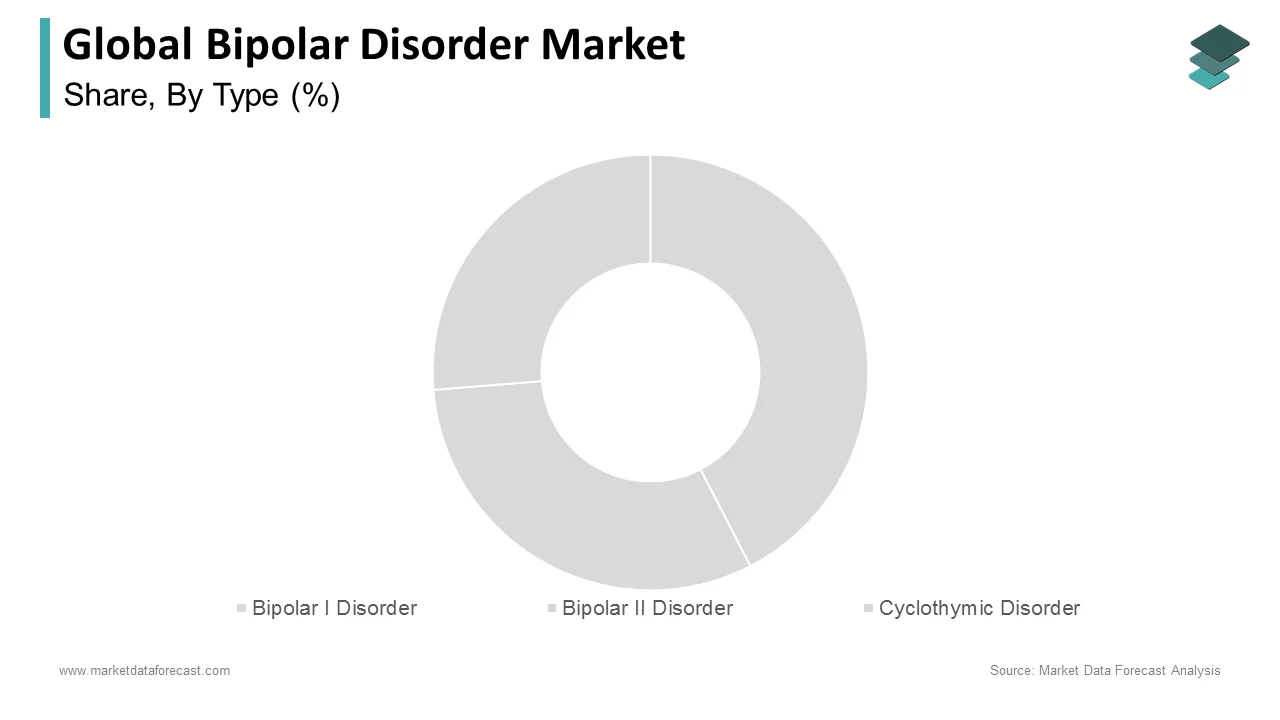
On the other side, the Bipolar II Disorder segment is projected to expand at the fastest CAGR of 7.4% during the forecast period, owing to the increasing diagnostic recognition of hypomanic episodes that were historically underidentified in clinical practice. According to the Adult Psychiatric Morbidity Survey in England, the proportion of adults screening positive for a bipolar spectrum condition is estimated at 1.9%, with Bipolar II representing a substantial portion of previously undiagnosed cases. Growing awareness among primary care providers regarding subtle mood fluctuations has enhanced case detection, expanding the treatable patient population. According to research from the European College of Neuropsychopharmacology, digital mood tracking applications facilitate identification of hypomanic patterns that patients may not voluntarily report. Furthermore, pharmaceutical companies are developing targeted interventions for depressive predominant presentations characteristic of Bipolar II, addressing an unmet therapeutic need. The segment benefits from favorable reimbursement policies in European health systems that recognize the functional impairment associated with recurrent depressive episodes, driving adoption of comprehensive treatment protocols that combine pharmacological and psychosocial modalities.
By Mechanism of Action Insights
The Selective Serotonin Reuptake Inhibitors segment led the market by capturing 26.9% of the global market share in 2025. This leadership position draws from the favorable tolerability profile and broad applicability of SSRIs in managing depressive phases of bipolar disorder when combined with mood stabilizers. Clinical practice guidelines from the National Institute for Health and Care Excellence endorse SSRIs as adjunctive therapy for bipolar depression, supporting widespread prescribing patterns across European healthcare systems. According to longitudinal studies published in CNS Drugs, the safety profile of SSRIs compared to older antidepressant classes reduces monitoring requirements and enhances patient adherence. Additionally, the availability of multiple generic SSRI formulations provides cost-effective options for health systems managing budget constraints while maintaining therapeutic access. According to real-world electronic health records and clinical registry audits, approximately 34% of patients with bipolar disorder are actively prescribed an antidepressant medication as part of their comprehensive multi-agent treatment regimen, reflecting strong clinician reliance on this mechanism class. The segment further benefits from ongoing research exploring SSRI combinations with novel agents to address treatment-resistant populations, sustaining innovation and market relevance.
However, the Serotonin Norepinephrine Reuptake Inhibitors segment is estimated to record a CAGR of 8.4% during the forecast period in the global market, owing to the growing clinical recognition of SNRIs' efficacy in addressing both depressive symptoms and residual fatigue or cognitive impairment common in bipolar disorder. According to pharmacological research from the American Journal of Psychiatry, the dual mechanism targeting serotonin and norepinephrine pathways provides broader symptom coverage compared to single-agent approaches. According to European prescribing data registries, the clinical utilization of dual reuptake inhibitors has shown substantial longitudinal increases among bipolar patients with comorbid anxiety features, highlighting expanding therapeutic applications. Furthermore, newer SNRI formulations with extended release profiles improve tolerability and reduce discontinuation rates, addressing historical adherence challenges. The segment benefits from favorable health technology assessment outcomes in multiple European countries that recognize the functional improvement associated with SNRI therapy, supporting reimbursement decisions. Ongoing clinical trials evaluating SNRIs in combination with digital therapeutics for mood monitoring position this mechanism class for continued growth as integrated care models gain adoption across diverse healthcare environments.
By Drug Class Insights
The antipsychotic drugs segment held the largest share of 36.3% of the global market in 2025. This dominance reflects the central role of second-generation antipsychotics in managing acute manic episodes and preventing relapse across bipolar spectrum conditions. Clinical guidelines from the European Psychiatric Association recommend atypical antipsychotics as first-line therapy for acute mania, driving consistent prescribing patterns across member states. According to European longitudinal evaluations, the development of long-acting injectable formulations has significantly improved adherence rates, with research indicating that 64% of patients achieve acceptable medication compliance when utilizing depot antipsychotics. Furthermore, antipsychotics demonstrate efficacy across multiple bipolar phases, including mixed episodes and rapid cycling presentations, expanding their therapeutic utility beyond traditional mood stabilizers. According to pharmacovigilance data from the European Medicines Agency, the segment benefits from robust real-world evidence supporting cardiovascular and metabolic monitoring protocols that mitigate historical safety concerns. Continued investment in novel antipsychotic agents with improved tolerability profiles sustains innovation and market growth within this leading drug class.
On the other hand, the antidepressant drugs segment exhibits the fastest expansion and is predicted to record a CAGR of 9.2% during the forecast period, owing to the evolving clinical understanding regarding the appropriate integration of antidepressants within comprehensive bipolar treatment protocols. For instance, carefully monitored antidepressant therapy combined with mood stabilizers reduces depressive symptom burden without significantly increasing manic switch risk. According to National Institute for Health and Care Excellence guidance updates, European health systems increasingly recognize the functional impairment associated with bipolar depression, supporting expanded access to antidepressant therapies. The segment benefits from innovation in novel antidepressant mechanisms targeting glutamatergic and neuroinflammatory pathways that address treatment-resistant populations. According to research from the European College of Neuropsychopharmacology, digital adherence tools and remote monitoring platforms enhance the safe implementation of antidepressant regimens. Growing patient advocacy for depression focused interventions and favorable reimbursement policies in multiple European countries further accelerate the adoption of antidepressant therapies within bipolar disorder management frameworks.
REGIONAL ANALYSIS
North America Bipolar Disorder Market Analysis
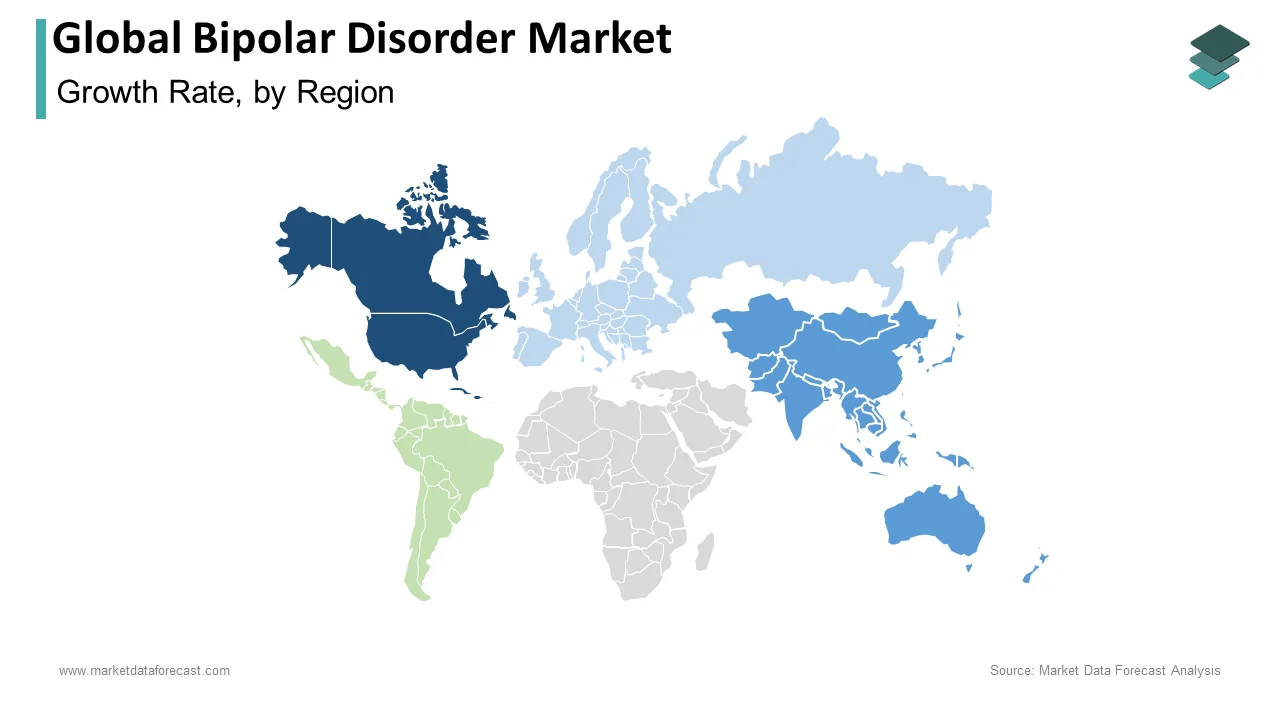
The North American region dominated the global market with 37.4% of the global market share in 2025 and is anticipated to experience robust clinical integration and a strong pipeline of personalized psychiatric interventions over the next few years, maintaining the leading position in the global bipolar disorder market. This dominance reflects advanced healthcare infrastructure, high diagnostic awareness, and substantial pharmaceutical research investment concentrated within the United States and Canada. According to reports from the National Institute of Mental Health, approximately 2.8% of United States adults experience bipolar disorder, creating a substantial treatable population. Favorable reimbursement policies through private insurance and government programs facilitate access to novel therapeutics and comprehensive care models. The region benefits from a robust clinical trial infrastructure that accelerates regulatory approval and market entry for innovative treatments. According to Mental Health America surveillance data, strong patient advocacy organizations drive public awareness and reduce stigma, encouraging treatment-seeking behavior. Digital health integration, including telepsychiatry and remote monitoring platforms, enhances care delivery across diverse geographic settings. Continued investment in precision medicine approaches and pharmacogenomic testing positions North America for sustained market leadership as personalized treatment strategies gain clinical adoption.
Europe Bipolar Disorder Market Analysis
European countries are projected to register steady expansion and enhanced integration of digital mental health tools over the next few years, representing the second-largest regional market for bipolar disorder interventions. This position reflects comprehensive universal healthcare systems that prioritize mental health service provision across member states. According to reports from the World Health Organization, bipolar disorder affects approximately 1% of European adults, with significant variation in diagnostic rates and treatment access between regions. The European Medicines Agency facilitates coordinated regulatory pathways that streamline market entry for novel therapeutics across multiple countries. National mental health strategies in Germany, France, and the United Kingdom emphasize early intervention and integrated care models, driving demand for comprehensive treatment approaches. Research funding through Horizon Europe supports innovation in digital therapeutics and personalized medicine applications. According to European Union health policy frameworks, cross-border healthcare directives enable patient mobility and treatment continuity. The region faces challenges related to resource allocation disparities between Eastern and Western European nations, yet ongoing policy harmonization efforts support gradual market convergence and expanded therapeutic access.
Asia Pacific Bipolar Disorder Market Analysis
The Asia Pacific region is expected to witness the highest rate of market modernization and diagnostic capacity expansion over the next few years, demonstrating the fastest growth potential within the global bipolar disorder market. This expansion reflects rapid economic development, urbanization, and increasing mental health awareness across populous nations, including China and India. According to Ministry of Health policy documents, the Chinese government's Healthy China 2030 initiative prioritizes mental health integration within primary care systems, expanding diagnostic capacity and treatment access. India's National Mental Health Programme allocates dedicated funding for bipolar disorder screening and management in community settings. Growing middle-class populations with enhanced healthcare access drive demand for evidence-based pharmacological and psychosocial interventions. Furthermore, pharmaceutical companies increasingly target Asia Pacific markets with region-specific pricing strategies and localized clinical development programs. Digital health adoption, including mobile mental health applications, accelerates care delivery in resource-constrained settings. Cultural shifts reducing stigma around psychiatric conditions encourage treatment-seeking behavior among previously underserved populations. These converging factors position the Asia Pacific for sustained market expansion as healthcare infrastructure continues to develop across the region.
Latin America Bipolar Disorder Market Analysis
The Latin American market is poised to see promising development and a gradual expansion in public mental health infrastructure in the near future. This position reflects improving healthcare infrastructure and growing mental health awareness across diverse national contexts. According to regional health policy assessments from the Pan American Health Organization, there is increasing diagnostic recognition of bipolar spectrum conditions in Brazil, Mexico, and Argentina, expanding the treatable patient population. Government initiatives in several countries prioritize mental health service integration within primary care systems. Pharmaceutical companies are expanding market access through tiered pricing strategies and partnerships with local manufacturers. Furthermore, telepsychiatry adoption accelerated by pandemic-related care disruptions enhances service delivery across geographically dispersed populations. Cultural factors, including family-centered care models, support adherence to long-term treatment protocols. Challenges related to resource constraints and specialist availability persist, yet ongoing capacity-building efforts support gradual market development. The region benefits from favorable demographic trends with growing working-age populations requiring effective mood disorder management to maintain economic productivity.
Middle East and Africa Bipolar Disorder Market Analysis
The Middle East and Africa region is expected to gradually emerge as a key hub for focused psychiatric health initiatives and strategic medical partnerships over the next few years. This position reflects variable healthcare infrastructure and evolving mental health policy frameworks across diverse national contexts. According to global health initiative reports, the World Health Organization Mental Health Gap Action Programme operates in multiple countries within the region, providing evidence-based guidelines and training resources to improve bipolar disorder management. Growing urbanization and economic development in Gulf Cooperation Council nations drive increased healthcare investment and specialist service availability. Furthermore, cultural shifts reducing stigma around psychiatric conditions encourage treatment-seeking behavior among previously underserved populations. Pharmaceutical companies are expanding market presence through strategic partnerships with regional distributors and localized clinical development programs. Digital health solutions, including mobile applications for mood monitoring, enhance care delivery in resource-constrained settings. Challenges related to workforce capacity and reimbursement mechanisms persist, yet ongoing policy development and international collaboration support gradual market maturation across the region.
COMPETITIVE LANDSCAPE
The competitive landscape within the bipolar disorder market features established pharmaceutical companies alongside emerging biotechnology firms pursuing innovative therapeutic approaches. Market participants differentiate through novel mechanisms of action, improved tolerability profiles, and integrated digital health solutions that enhance treatment adherence and outcome measurement. Competition intensifies around treatment-resistant populations where unmet needs remain substantial despite existing therapeutic options. Pricing strategies and reimbursement negotiations significantly influence market access across diverse healthcare systems. Companies invest in real-world evidence generation to demonstrate therapeutic value and support health technology assessment submissions. Strategic partnerships with academic institutions and patient advocacy organizations strengthen clinical development pipelines and market positioning. The emergence of biosimilar and generic alternatives creates pricing pressure for established branded agents while expanding access in resource-constrained settings. Innovation in long-acting injectable formulations and personalized medicine approaches represents key competitive differentiators. Market participants must balance scientific innovation with commercial viability while addressing evolving regulatory requirements and patient-centered care expectations across global healthcare environments.
KEY MARKET PLAYERS
Companies that are playing a promising role in the global bipolar disorder market profiled in this report are
- Gedeon Richter
- Indivior
- AstraZeneca
- Janssen Pharmaceuticals
- Lundbeck
- Bristol-Myers Squibb
- Ostuca Holdings Co., Ltd.
- GlaxoSmithKline (GSK)
- Allergan Plc
- Pfizer, Inc.
- AbbVie, Inc.
TOP PLAYERS IN THE MARKET
- AstraZeneca Plc maintains a prominent position within the bipolar disorder therapeutic landscape through its portfolio of antipsychotic and mood-stabilizing agents. The company invests substantially in neuroscience research focusing on novel mechanisms targeting treatment-resistant populations. Recent clinical development efforts emphasize combination therapies that address both acute symptom control and long-term wellness maintenance. AstraZeneca collaborates with academic institutions across Europe and North America to advance precision medicine approaches utilizing pharmacogenomic data. The company supports patient access programs that facilitate treatment initiation in underserved communities. Furthermore, AstraZeneca integrates digital health tools within its therapeutic offerings to enhance adherence monitoring and outcome measurement. These strategic initiatives strengthen the company's market position while advancing scientific understanding of bipolar disorder pathophysiology and management.
- Bristol Myers Squibb Company contributes significantly to the bipolar disorder market through its established antipsychotic franchise and ongoing innovation in neuropsychiatric therapeutics. The company recently expanded its neuroscience portfolio through strategic acquisitions targeting novel mechanisms for mood disorder management. Clinical development programs focus on agents with improved tolerability profiles to address historical adherence challenges. Bristol Myers Squibb collaborates with healthcare providers to implement integrated care models that combine pharmacological and psychosocial interventions. The company supports real-world evidence generation to demonstrate therapeutic value across diverse patient populations. Furthermore, Bristol Myers Squibb invests in patient education initiatives that reduce stigma and encourage treatment engagement. These comprehensive strategies reinforce the company leadership position while advancing patient-centered care delivery within bipolar disorder management frameworks.
- Otsuka Holdings Co., Ltd. maintains a distinguished presence in the bipolar disorder market through its specialized focus on neuropsychiatric therapeutics and innovative drug delivery platforms. The company pioneered long-acting injectable antipsychotic formulations that improve adherence among patients with complex mood disorders. Otsuka invests in digital therapeutics that complement pharmacological interventions through remote monitoring and behavioral support. Clinical development efforts target novel mechanisms addressing cognitive impairment and functional recovery in bipolar populations. The company collaborates with regulatory agencies to streamline approval pathways for innovative treatments across multiple regions. Furthermore, Otsuka supports global mental health initiatives that expand access to evidence-based care in resource-constrained settings. These strategic priorities strengthen the company's market position while advancing scientific innovation and patient outcomes within the bipolar disorder therapeutic landscape.
TOP STRATEGIES USED BY KEY MARKET PARTICIPANTS
Key market participants employ multiple strategic approaches to strengthen their position within the bipolar disorder market. Pharmaceutical companies prioritize research and development investments targeting novel mechanisms with improved tolerability profiles. Strategic acquisitions and licensing agreements expand therapeutic portfolios and accelerate market entry for innovative agents. Collaboration with academic institutions advances scientific understanding of bipolar disorder pathophysiology and treatment response predictors. Digital health integration enhances adherence monitoring and outcome measurement across diverse care settings. Patient access programs facilitate treatment initiation in underserved communities while supporting real-world evidence generation. Market participants also invest in physician education initiatives that promote evidence-based prescribing practices and integrated care models. These comprehensive strategies enable companies to address unmet therapeutic needs while sustaining commercial growth within the evolving bipolar disorder treatment landscape.
MARKET SEGMENTATION
This research report on the global bipolar disorder market has been segmented and sub-segmented into the following categories.
By Type
- Bipolar I Disorder
- Bipolar II Disorder
- Cyclothymic Disorder
By Mechanism of Action
- Monoamine Oxidase Inhibitors
- Tricyclic Antidepressants
- Benzodiazepines
- Serotonin-norepinephrine Reuptake Inhibitors
- Beta-Blockers
- Selective Serotonin Reuptake Inhibitors
- Others
By Drug Class
- Antianxiety Drugs
- Mood Stabilizers
- Antidepressant Drugs
- Antipsychotic Drugs
- Anticonvulsants
By Region
- North America
- Europe
- Asia-Pacific
- Latin America
- The Middle East and Africa